

By 11:20 a.m., eight-month pregnant Kemi had already changed her dress for the third time. Sweat drenched the floral gown she had carefully worn for her antenatal appointment.
Seated on a wooden bench outside the overcrowded clinic, she fanned herself with a folded hospital card as every breath became heavier than the last. The baby kicked relentlessly. Her vision blurred.
There was no electricity to power the ceiling fans, no trees to provide shade, and dozens of expectant mothers waited under the unforgiving Lagos sun. Then, without warning, Kemi slumped sideways. Panic spread across the waiting area.
Some blamed the pregnancy. Others thought she had skipped breakfast. But the nurse who rushed to her side knew that the scorching heat had overwhelmed her body.
Kemi’s story echoes the daily reality of many pregnant women across Lagos, where rising temperatures driven by climate change are turning ordinary routines into life-threatening experiences.
From overcrowded hospitals and congested classrooms to busy markets and traffic-clogged roads, extreme heat is no longer just an uncomfortable weather condition, it is a silent public health emergency, placing millions of vulnerable Nigerians at risk while exposing the urgent need for government action.
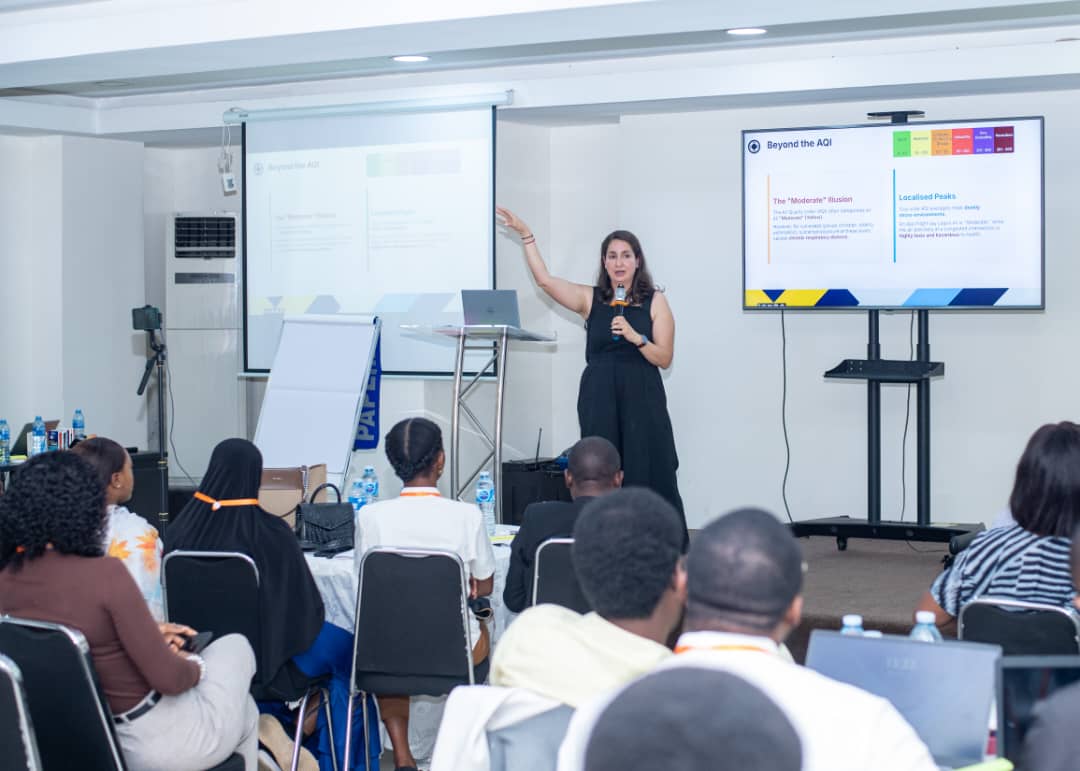 These concerns took centre stage at a three-day training organised by Urban Better in collaboration with Hot Steppers, where journalists from television, radio, print and online media across Lagos examined the growing threat of extreme heat and climate change, and the critical role of the media in driving public awareness and policy action.
READ ALSO: Climate Change Mitigation: Has Our Country Joined The Movement?
READ ALSO: Experts In Cautious Optimism As Climate Change Threatens Food Safety
Reinforcing the urgency of tackling extreme heat, Communications Lead for the Hotsteppers Project, Abimbola Badejo, noted that heat remains one of the least understood consequences of climate change despite its growing impact on public health and daily life.
She explained that while flooding and pollution often dominate climate conversations, extreme heat silently threatens residents by increasing the risk of dehydration, heat exhaustion, cardiovascular diseases, reduced productivity, and other heat-related illnesses, particularly among traders, transport workers, commuters, and people who spend long hours outdoors.
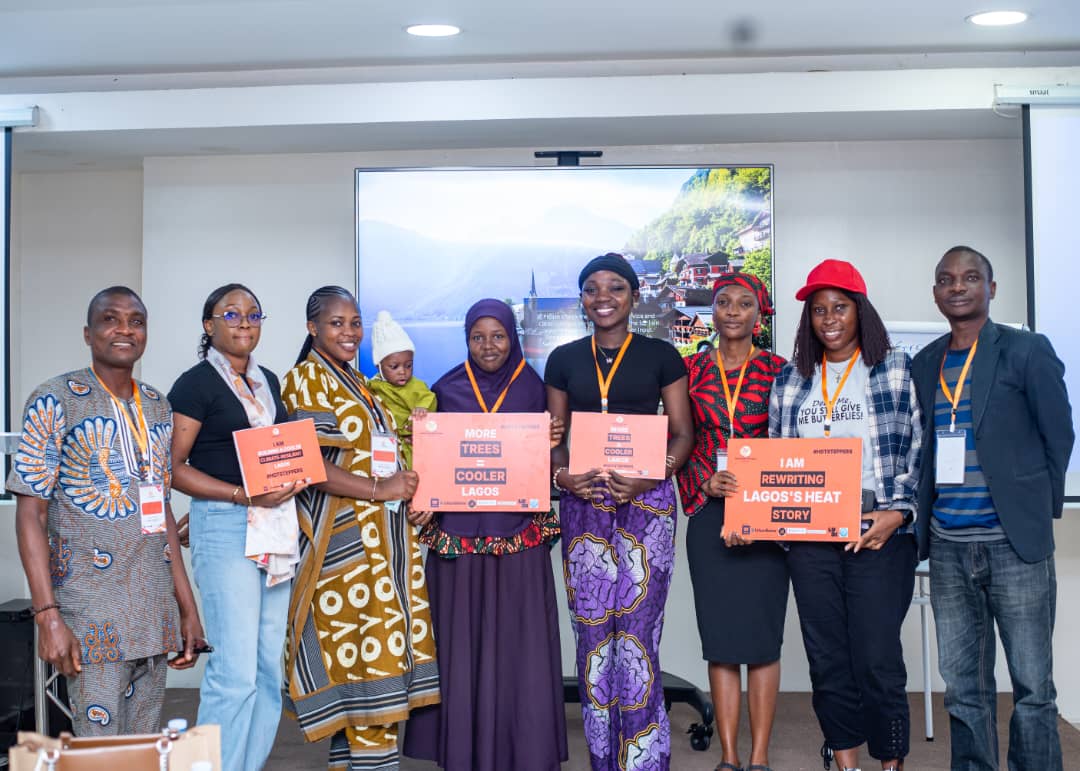
 Badejo disclosed that researchers working on the project are using satellite imagery, Geographic Information Systems (GIS), remote sensing technology, and thermal mapping to identify heat hotspots across Lagos.
The study examines environmental indicators, including Land Surface Temperature (LST), the Normalized Difference Vegetation Index (NDVI), the Normalized Difference Building Index (NDBI), and the Building Heat Index (BHI), to understand how urban development and the loss of vegetation contribute to rising temperatures.
She revealed that preliminary findings have identified several Bus Rapid Transit (BRT) corridors, including Ojota, Oshodi, and Yaba, as areas experiencing significantly higher temperatures due to extensive concrete surfaces, asphalt roads, and limited tree cover.
To complement the mapping exercise, temperature-monitoring sensors have also been installed in communities such as Fadeyi and Yaba to gather real-time data that will inform future urban planning and heat mitigation strategies.
According to her, improving public awareness of the health implications of extreme heat is critical to driving stronger government action and encouraging greater investment in climate-resilient infrastructure capable of protecting vulnerable communities.
Speaking on the theme, “The Stories We Don’t Tell and the Crises We Don’t Solve,” media strategist Isaiah Opeyemi urged journalists to move beyond one-off reporting and embrace sustained, evidence-based journalism that drives accountability.
READ ALSO: Revelation @ Climate Change Summit: We Now Eat Plastics Instead Of Fresh Fish
Using the example of a dilapidated public school with collapsing roofs and unsafe learning conditions, he explained that simply reporting such issues once is rarely enough to prompt government action.
Instead, he encouraged journalists to continually revisit affected communities, engage victims and relevant stakeholders, and support their reports with credible facts and data.
According to him, persistent reporting on issues that negatively affect people’s lives sends a clear message to authorities that the media is committed to demanding change.
Opeyemi advised journalists to consistently follow up on such stories, engage relevant government agencies and institutions, and keep the issues in the public domain until concrete action is taken.
He stressed that the role of the media extends beyond exposing problems to ensuring they remain on the public agenda until lasting solutions are achieved.
Speaking on the health and productivity impacts of extreme heat, Barbara Rubiell, a researcher from the University of Cambridge and a key member of the Hot Steppers Project, said prolonged exposure to high temperatures can cause dehydration, heat exhaustion, fatigue and worsen existing health conditions.
She noted that pregnant women, children, older persons and people living in overcrowded communities are among those most vulnerable to heat-related illnesses.
Rubiell explained that excessive heat also affects people’s ability to work, as many experience exhaustion, poor concentration and sleeplessness, reducing productivity and, in some cases, preventing them from carrying out their daily activities.
She added that the growing impact of heat on workers has significant economic consequences due to lost productivity.
In conclusion, Rubiell urged governments, employers and communities to prioritise action on extreme heat through increased public awareness, better urban planning and practical measures to protect vulnerable groups.
She stressed that recognising extreme heat as a major public health challenge is essential to safeguarding lives, improving productivity and building climate-resilient communities.
