
Twenty-two-year-old Tolu was rushed home from the university after days of displaying unusual behaviour.
She laughed uncontrollably, spoke to herself for hours, wandered aimlessly, and gradually became withdrawn.
Back in her community, many were quick to conclude that she had been “used by Yahoo boys” because of her love for fashion.
Unknown to them, she was battling depression triggered by her parents’ bitter divorce, family conflict, and the trauma of repeated sexual harassment by a lecturer.
Tolu’s story mirrors the reality of many Nigerians living with mental health conditions who are often misunderstood and stigmatised instead of receiving the help they need.
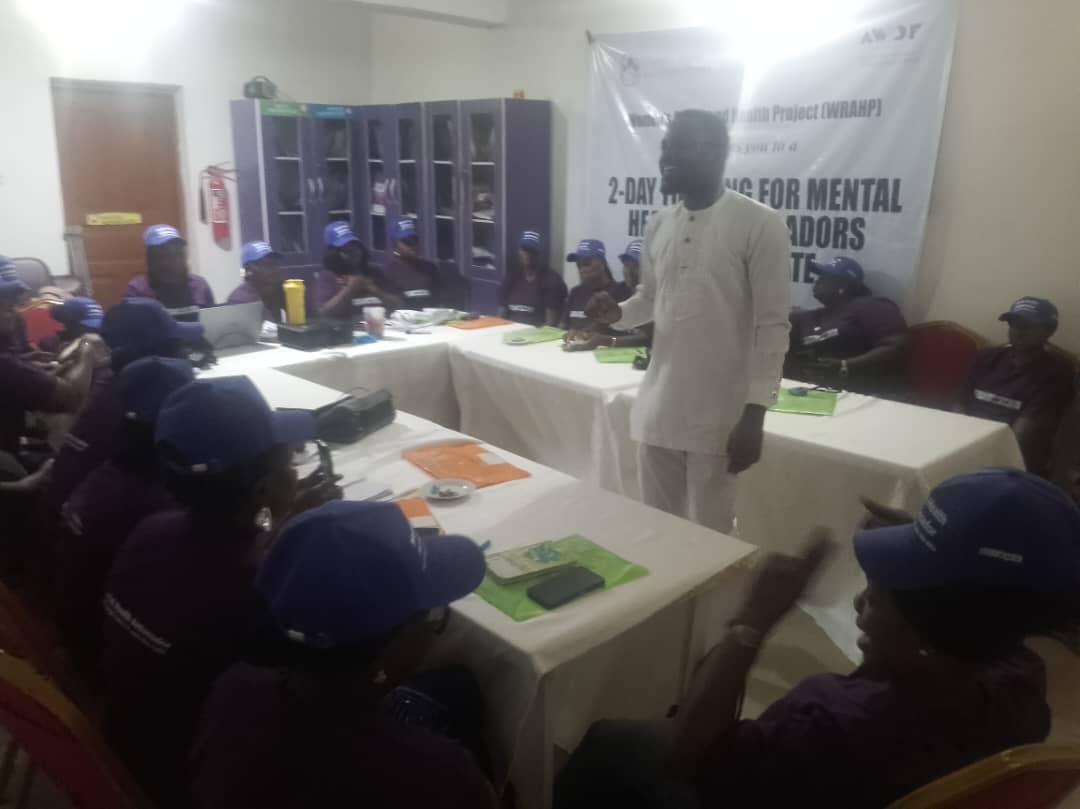
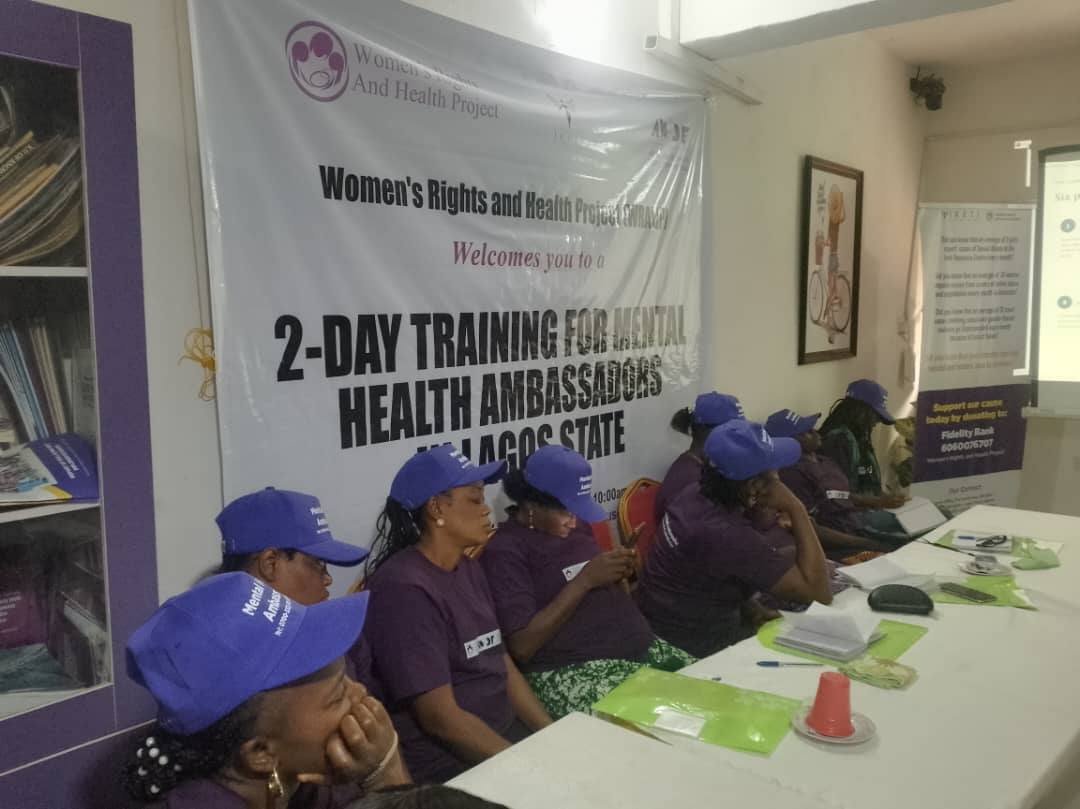
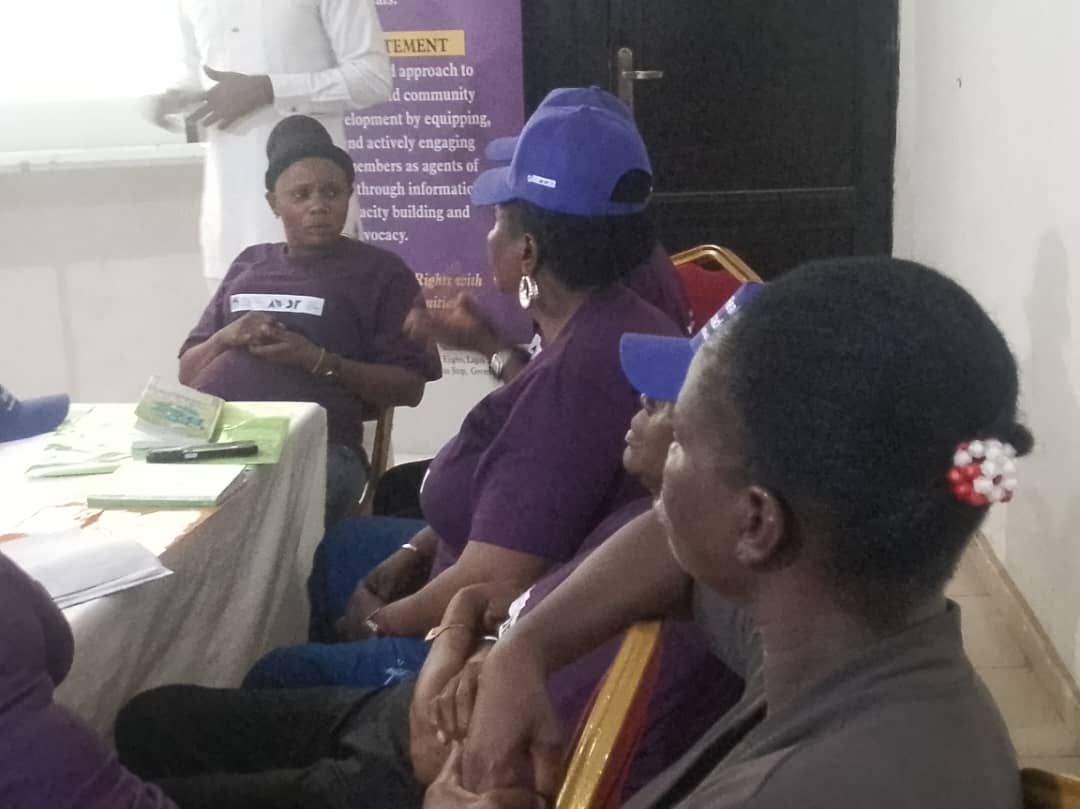
It was against this backdrop that the Women’s Rights and Health Project (WRAHP), in partnership with the African Women’s Development Fund (AWDF), organised a two-day Mental Health Ambassador Training to strengthen community leadership in mental health promotion, trauma healing, and psychological first aid.
The programme brought together women advocates, peer champions, psychosocial facilitators, caregivers, and persons living with disabilities (PWDs). Participants were equipped with practical skills to identify signs of mental health conditions, provide psychological first aid, challenge harmful myths, and connect affected persons with appropriate support services.
READ ALSO: Depression: How To Cope In The Face Of Challenges …Dr Omene
Speaking during the training, the Digital Systems and Data Lead at LagosMIND, Mr. Joshua Nnatus, said mental health is a part of everyone’s overall well-being.
He explained that while everyone has mental health, not everyone has a mental illness, adding that many mental health conditions arise from trauma, accidents, emotional distress, family crises, or other life experiences rather than spiritual causes as commonly believed.
 He clarified that the responsibility of Mental Health Ambassadors is not to diagnose or treat people living with mental health conditions but to identify those in need and refer them to the appropriate authorities.
According to him, ambassadors should contact the Lagos State emergency lines, 767 or 112, whenever they encounter individuals requiring urgent mental health intervention, after which relevant agencies would take over.
Mr. Nnatus further explained that people living with mental health conditions also have fundamental rights. He noted that no one should be forced into treatment or admitted into a mental health facility against their will except through the lawful procedures provided under the Mental Health Review Committee framework.
He added that trained government agencies, working alongside security and emergency responders, are responsible for handling such situations.
On workplace rights, he said employees who develop mental health conditions while in service should not face discrimination or unlawful dismissal because of their illness.
READ ALSO: Mental Health Challenge: Can Your Dietary Habits Be Of Help?
READ ALSO: WRAHP Strengthens Digital Protection & Mental Health Awareness Of Civil Society Groups
He encouraged anyone who experiences such discrimination to seek legal redress through the appropriate channels as provided by law.
The LagosMIND official also urged participants to maintain professional boundaries while supporting clients. He advised them never to take clients into their homes, avoid romantic or sexual relationships with them, and ensure meetings are held in safe and open environments.
 He added that ambassadors should protect their privacy by avoiding unnecessary disclosure of personal information during interventions.
In an exclusive interview with The Eagle Media, one of the newly inducted Mental Health Ambassadors, Mrs. Peters Blessing Bridget, an entrepreneur and beautician from Ojo Community, described the training as insightful and life-changing.
She said it had transformed her understanding of mental health and corrected many misconceptions about people living with mental health conditions.
Mrs. Bridget pledged to educate residents of Ojo Community using the knowledge gained during the training and to work closely with community leaders and relevant agencies to ensure people living with mental health conditions receive timely care instead of stigma.
She also expressed confidence that the initiative would help build more compassionate and mentally healthy communities across Lagos State.
On the rationale behind the initiative, the Centre Manager of Ireti Resource Centre and Programme Officer for the Persons with Disabilities (PWD) Project at WRAHP, Mrs. Precious Eberechukwu Ndukwu, said the training was organised in response to the increasing need for accessible, community-based mental health support, particularly for women and other vulnerable groups.
She emphasized the importance of prioritising mental well-being, noting that mental health should be treated as an essential aspect of overall health at every stage of life.
According to her, “Good mental health is important at every stage of life, from childhood and adolescence through adulthood.
There is a need for people to take care of their health, given the present economic, social, environmental, psychological factors among other stressors that impact people.”
Mrs. Ndukwu further advocated for sustained mental health awareness campaigns and community-based trauma education, stressing that both are crucial to saving lives, reducing stigma, and promoting long-term societal well-being.
She also urged governments at all levels to invest in more mental health facilities to improve access to care while strengthening public awareness of the country’s legal framework protecting the rights of people living with mental health conditions.
