
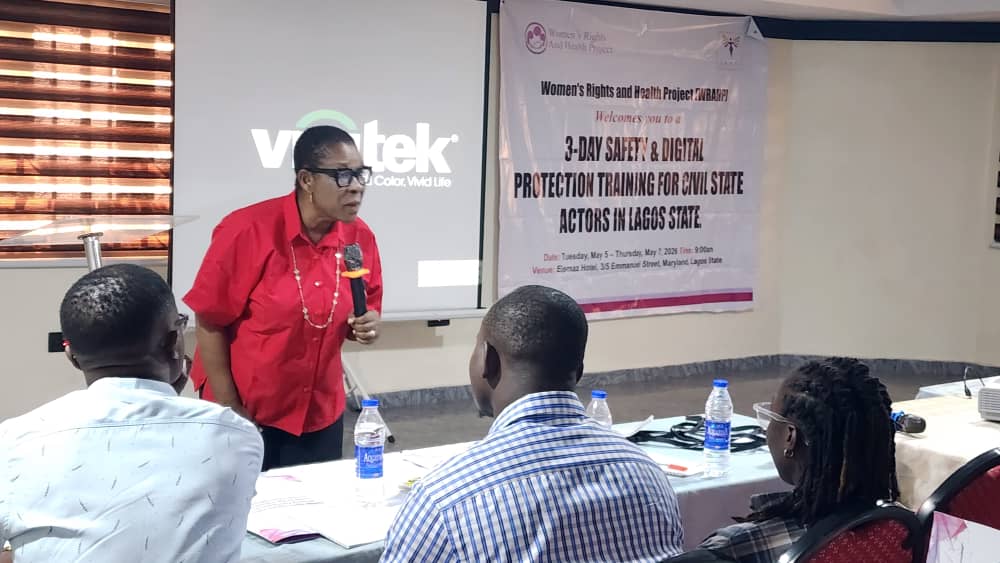
A three-day Safety, Digital Protection and Safeguarding Training for civil society actors in Lagos State has emphasised the urgent need for stronger protection systems, resilience building, and safer operational frameworks for human rights defenders and media professionals in Nigeria.
The training, organised by Women Rights and Health Project (WRAHP), brought together journalists, civil society actors, and human rights defenders to strengthen their capacity in digital safety, psychosocial wellbeing, safeguarding practices, and risk management within increasingly challenging civic spaces.
Facilitators highlighted the importance of equipping participants with practical tools to navigate physical threats, online attacks, data breaches, and emotional stress associated with human rights work.
The sessions also emphasised proactive safety planning, secure communication practices, and organisational accountability in safeguarding personnel and beneficiaries.
Executive Secretary of Human and Environmental Development Agenda (HEDA Resource Centre), Sulaimon Arigbabu, advised NGOs to conduct thorough community mapping and background assessments before embarking on field projects.
He stressed the need to identify not only community leaders but also key gatekeepers and influencers, while understanding local social, cultural, and operational dynamics to reduce risks, save time, and improve project efficiency.
He further cautioned against carrying out sensitive fieldwork alone or without informing organisational bases, urging participants to observe environments carefully and prioritise safety.
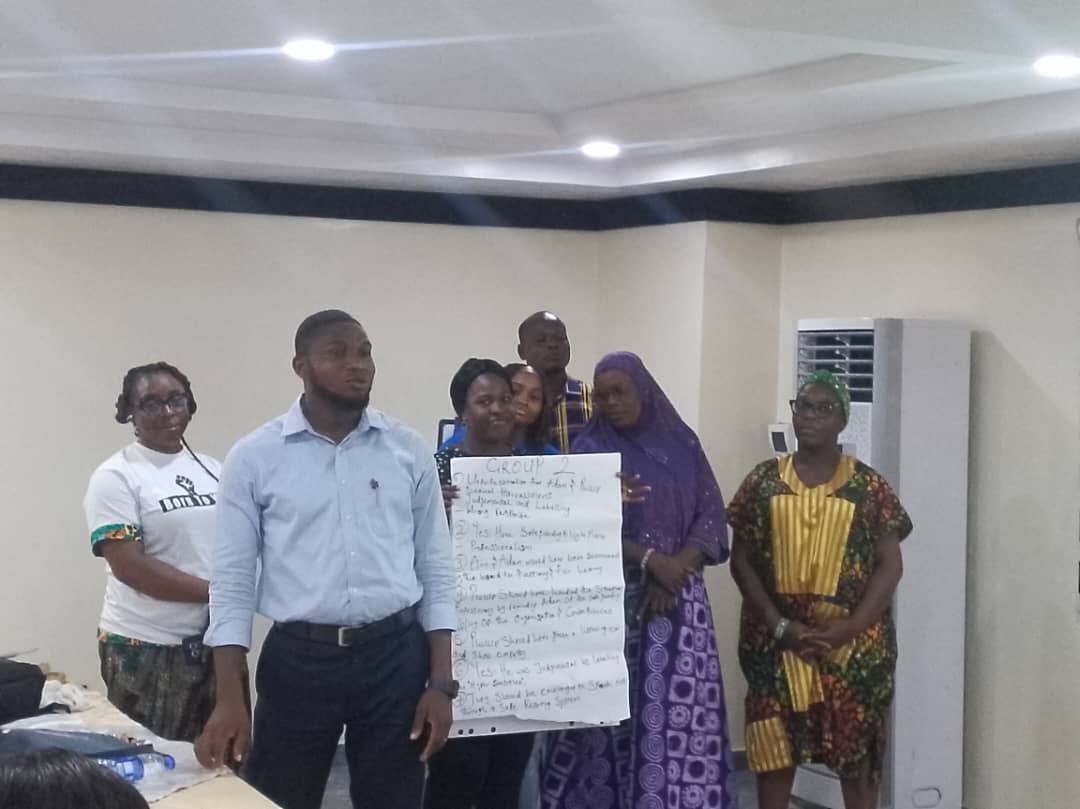
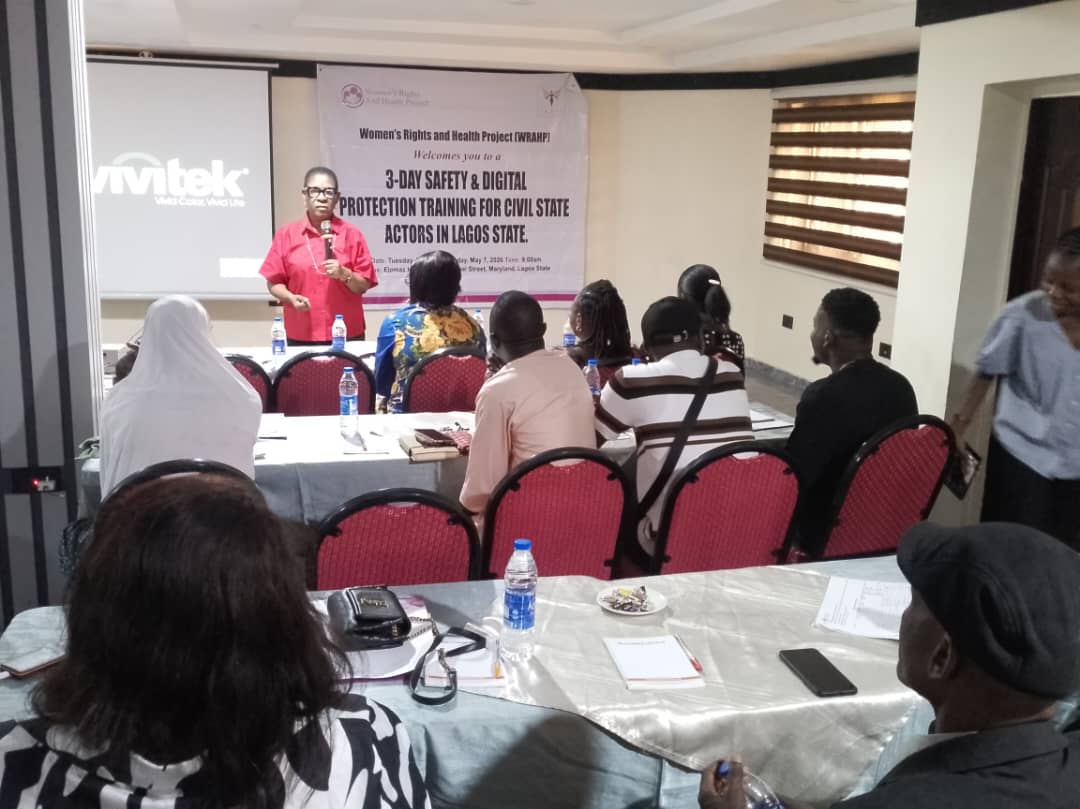 He also emphasized strict data protection measures, including securing sensitive documents and beneficiary information through proper “clean desk” practices before and after field activities.
Arigbabu urged civil society actors to remain proactive by continuously monitoring developments within communities, including through social media platforms where early signs of emerging risks may appear.
Increased vigilance is necessary where staff members appear to be under surveillance, he said and encouraged caution when community dynamics or leadership behaviors become unusual or invasive, stressing the importance of early awareness in preventing security incidents.
READ ALSO: Digital Innovation: Nigeria Signs MoU With Finland
READ ALSO: Education Specialist Urges Prioritisation of Digital Learning For Youths
Speaking on digital safety, a cybersecurity expert, Adegbola Gbolahan, warned participants about increasing digital threats such as phishing attacks, weak passwords, unsafe internet connections, and unauthorized access through shared devices or public hotspots.
He emphasized the importance of strict access control within organizations and continuous awareness of cyber hygiene practices.
He also advised participants to carefully verify emails and online communications before responding, and to be cautious when accepting cookies or website permissions, noting that these can expose sensitive data if not properly managed.
On safeguarding, Francis Umoh explained that safeguarding is a collective responsibility within organisations and should not be treated merely as a donor requirement. He stressed that strong safeguarding frameworks are essential to prevent harm, abuse, exploitation, and trauma, particularly in organisations working with survivors of violence and other vulnerable groups.
He further noted that safeguarding systems are critical for protecting both beneficiaries and staff in sensitive human rights environments where risks are constant.
In an exclusive interview with Eagle Media, the Team Lead of Women Rights and Health Project (WRAHP) and Manager at IRETI Resource Center said the training was designed to address the growing emotional, psychological, and security challenges faced by human rights defenders and civil society actors.
According to her, the programme was developed to help participants better understand self-protection strategies, stress management, and the importance of recognising personal limits while handling sensitive cases in the field.
Sheh said the initiative also strengthened collaboration and trust among civil society actors at a time when the civic space continues to shrink due to increasing regulatory and operational challenges.
“We are just starting; we are going to be doing more. We look forward to creating safer spaces, building stronger support networks, and responding swiftly whenever any advocate is under stress or duress,” she said.
