
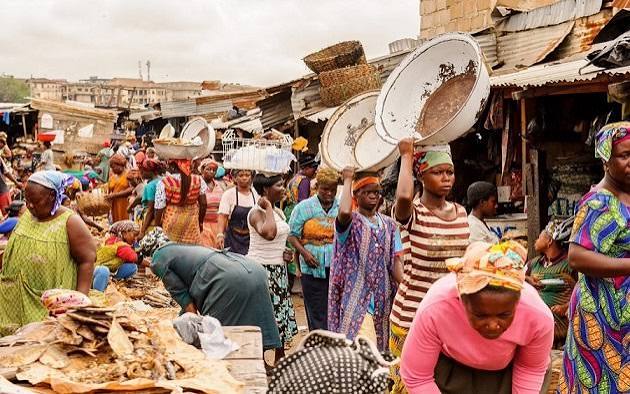
It has become a tragic reality in Nigeria to see the poor suffer while politicians continue to ask them to “tighten their belts,” even as they use the nation’s wealth to provide luxury for themselves, their families, and their cronies.
It is a painful contradiction that exposes the wide gulf between the rulers and the ruled.
For millions of ordinary Nigerians, daily life is a struggle against hunger, poverty, unemployment, and preventable diseases. Many die simply because they cannot afford basic medical care, while those in power travel abroad for treatment and send their children to expensive foreign schools. The contrast is both heartbreaking and disturbing.
What kind of leadership watches its people sink deeper into hardship without genuine compassion? Hunger has become a harsh reality for many families, and some believe that widespread poverty has been allowed to persist because a desperate population is easier to control. Such a situation is both disheartening and inhumane.
For decades, election campaigns have been filled with promises of a better future. Nigerians are repeatedly told that prosperity is just around the corner, yet many continue to face worsening economic conditions. While the powerful prosper, the poor perish. Joblessness grows, insecurity spreads, and many communities live in fear.
God has not abandoned Nigeria’s poor. It is human failure, poor governance, and the misuse of public resources that have left millions behind. Funds meant for infrastructure, healthcare, education, and social development should improve the lives of citizens, yet allegations of corruption and waste continue to dominate public discourse.
To make matters worse, many farmers are unable to work safely because of insecurity in several parts of the country. Food production suffers, hunger increases, and families are pushed further into poverty. Meanwhile, official assurances that everything is under control often do little to ease the fears and frustrations of ordinary people.
This is not merely an economic crisis; it is a crisis of leadership and accountability. A nation blessed with abundant human and natural resources should not have millions of citizens struggling to survive.
READ ALSO: From Democracy to Power Grab: Nigeria’s Leadership Crisis
READ ALSO: When Votes Don’t Count: Kogi Primary Elections Under Focus
The future of Nigeria depends on the active participation of its people. Citizens have the right to demand transparency, accountability, and leadership that places the welfare of the nation above personal interests. Democracy works best when people engage peacefully, speak up, and support leaders who are committed to justice, good governance, and the common good.
A country cannot thrive when its people are left behind. When citizens suffer endlessly while a privileged few prosper, the nation itself pays the price. Nigeria’s strength lies not in the wealth of a handful of individuals but in the well-being and dignity of all its people. Only by building a society that serves everyone can the country achieve the future its citizens deserve.
