
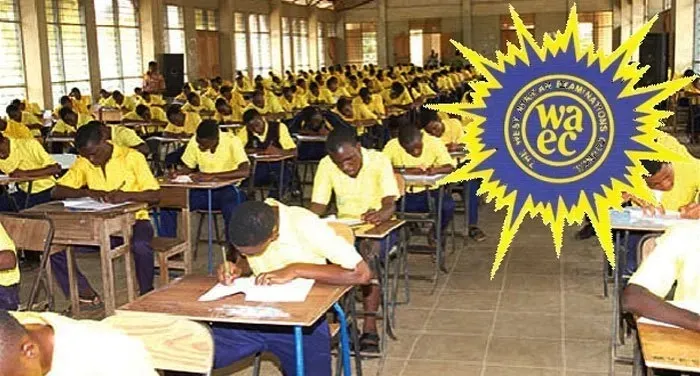
The reported increase in WAEC and NECO examination fees is one of the most ill-timed and insensitive policy decisions in recent memory.
At a time when millions of Nigerians are struggling to survive under the weight of inflation, unemployment, insecurity, and a relentless rise in the cost of living, making education more expensive sends a troubling message: that the suffering of ordinary citizens is no longer a priority.
For many families, putting food on the table has become a daily battle. Parents are making painful sacrifices simply to keep their children in school. It is therefore difficult to understand why the cost of writing public examinations should be increased at such a critical moment. Rather than easing the burden on households, such a move would only deepen it.
Education is not a luxury. It is a fundamental investment in the future of every nation. Policies that make education less affordable risk denying thousands of young Nigerians the opportunity to complete their secondary education, ditto for any policy proposing or okaying exam fee hike.
The inevitable consequence is that more students may be forced to postpone or abandon their academic ambitions—not because they lack ability, but because they lack the financial means.
No nation can genuinely claim to be investing in its future while simultaneously placing new financial barriers before its young people. If the reported increase is allowed to stand, many will see it as a policy that prices poor children out of education while widening the gap between the privileged and the disadvantaged.
This debate is unfolding against a backdrop of persistent public concerns about corruption, wasteful spending, and weak accountability in government.
It is therefore understandable that many Nigerians question why the burden of difficult economic decisions appears to fall repeatedly on ordinary citizens instead of being addressed through greater fiscal discipline and prudent management of public resources.
Government exists to protect the welfare of its people, especially during periods of economic hardship. Compassion, fairness, and sound judgment should guide public policy. Increasing the cost of essential examinations at a time like this does not reflect those values.
READ ALSO: FG Introduces Stringent Punishment For WAEC, JAMB, NECO Cheats
READ ALSO: Why 2026 West African Senior School Certificate Exams Have Suffered Delays -WAEC
The authorities should urgently reconsider this reported fee hike and engage relevant stakeholders in finding solutions that protect students rather than penalize them. Access to education should be expanded, not restricted by financial obstacles.
Democracy is not measured by elections alone. It is measured by the extent to which government policies improve the lives of the people.
When families are hungry, jobs are scarce, and hope is fading, making education more expensive is not simply bad policy—it is a betrayal of the promise that every Nigerian child deserves a fair chance to succeed.
A nation that prices its children out of education mortgages its own future. Nigeria must not allow that to happen.
