
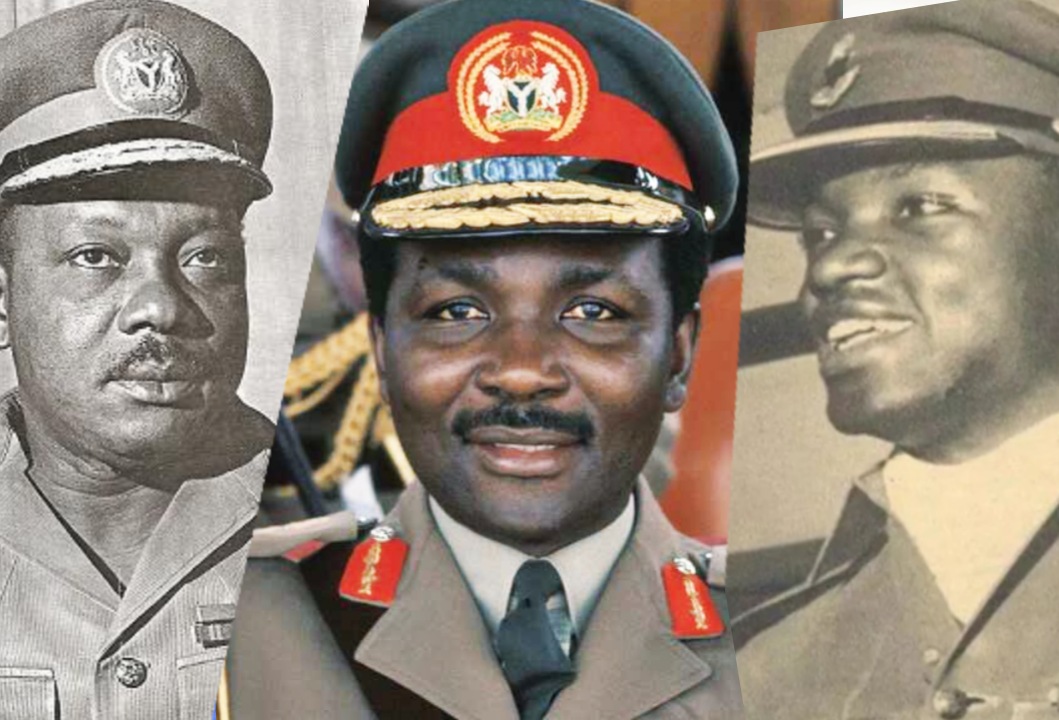
Nigeria’s first military coup of 1966 has remained a topic of intense interest many decades after and this not unexpected. Before 1966, Nigeria was under civilian rule and the government was led by Prime Minister Sir Abubakar Tafawa Balewa.
The country had three major political regions: North, West and East, with political competition amongst these regions creating tension. The situation became worse after the 1964 Federal Election Crisis.
The election was characterised by amongst many others:
- Accusations of unfair practices
- Political disagreements and violence.
Then came the 1965 Western Region Election Crisis that bred more conflicts and violence. Many Nigerians became unhappy with the government. On 15 January 1966 a group of young military officers carried out Nigeria’s first military coup.
They were led by Major Chukwuma Kaduna Nzeogwu (1937–1967) He was a Nigerian military officer who played a major role in organising the coup.
Several political leaders were killed, including: Prime Minister Abubakar Tafawa Balewa Northern Premier Ahmadu Bello; Western Premier Samuel Ladoke Akintola; a Minister of Finance Festus Okotie-Eboh; Former Minister and senior Northern political leader Ahmadu Ribadu, and many others
READ ALSO: Alleged Coup Plot: FG Begins Trial Of Silva, Others
READ ALSO: Drug Resistance Is Growing, But Nigeria Can Lead the Search for New Medicines
OUTCOME OF THE COUP
Although the coup plotters did not completely take control, power eventually moved to Major General Johnson Aguiyi-Ironsi.
He became Nigeria’s first military Head of State, and this marked the beginning of military rule in Nigeria.
LESSONS FROM THE FIRST MILITARY COUP
- Strong Democratic Institutions Are Important A country needs strong political systems to prevent military intervention.
- Leaders Must Be Accountable Government officials must use power responsibly.
- Corruption Weakens Government Corruption destroys citizens’ trust in leadership.
- National Unity Is Important Ethnic and regional divisions can threaten peace and stability.
- Military Should Remain Professional The military’s duty is to protect the country, not govern it.
CONCLUSION The first military coup of 15 January 1966 marked a major turning point in Nigeria’s political history.
It brought an end to the country’s first democratic government and introduced a new era of military involvement in politics.
Although the coup was carried out because some military officers believed they were correcting problems such as corruption, political instability, and poor leadership, military intervention also created new challenges for Nigeria.
The experience of the 1966 coup teaches that a country needs good leadership, strong democratic institutions, accountability, national unity, and respect for constitutional rule to maintain peace and stability.
In conclusion, the first military coup serves as a reminder that political problems should be solved through democratic processes rather than a forceful takeover of power.
Submitted as a class assignment by Salisu Rofiat Oluwadamilola *Richard Precious Folusho Olowu, Diala Chibuke Christanus, Chukwudiogo Blessed Mmachukwu, Uzama Ebosareme Jason, Eyo Michael Asuquo, Lawrence Abidemi & Damilola Olumofe
- Reader’s reaction welcome. Send as responses to this story or any other story.
