

Should the right to settle permanently in a country, be determined more by how much an immigrant earns and contributes economically?
Whereas, a new announcement November 2, 2026, by the British Home Secretary Shabana Mahmood, suggested so, the backlash that followed has resulted in a policy somersault, or what some observers have describe as a review.
Permanent Residency: Shabana Mahmood softens immigration plans in face of cabinet backlash
Exception for care workers will allow an estimated 280,000 people and their dependants to apply for indefinite leave to remain after five years
Shabana Mahmood rowed back on her most hardline plans to make care workers wait 15 years for settlement in the UK, but told MPs on Monday that many migrants would still face retrospective rule changes to make them wait a decade.
Under pressure from a cabinet backlash and health unions, the home secretary has offered a carve-out for care workers to allow them to apply for indefinite leave to remain after five years.
Why the UK settlement rule changes are unjust
But most of the rigorous new rules drawn up by Mahmood’s office last year remain, including plans to force those who arrived in the UK by irregular means such as small boats to face up to 30 years before being able to apply for settlement.
READ ALSO: how to immigrate to the United kingdom
READ ALSO: How To Get Proof Of Funds For Your Visa Application
The changes drew cries of betrayal from the Conservatives and the Reform UK leader, Nigel Farage, who said it was “the beginning of the capitulation”.
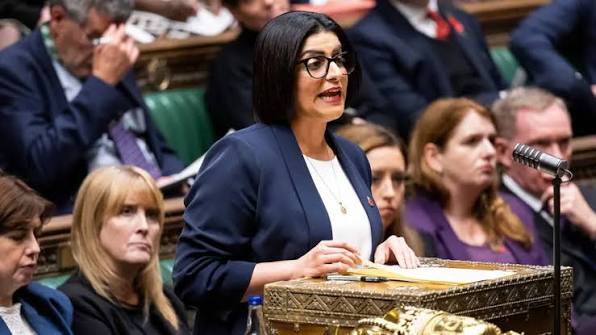
But Mahmood told the Commons she would still enact sweeping changes that will mean many migrant workers will wait double the time they had expected for settlement.
She said settlement was “one of most valuable rights this country can offer. Until now it has been given almost automatically. From today it must be earned. Those who contribute will settle fastest. Those who don’t play by the rules will be refused or wait much longer.”
In particular, the wait for those earning under £50,000 will double to 10 years. This was criticised by some Labour MPs who said vital workers such as research scientists and chefs would be caught by the changes.
The Law Society said the changing rules could threaten the rule of law, saying it “retrospectively undermines the legal certainty that individuals, families and employers rely on”.
Some MPs suggested they would continue to press the home secretary to rethink the retrospective nature of the changes – though the new policies do not require a vote in parliament, so MPs have limited means to block them.
Abtisam Mohamed, the Labour MP for Sheffield Central, said: “Retrospectively uprooting someone’s plans, sometimes made at the most vulnerable time in their lives, is unfair. I’ll be pressing for those already here to be protected.”
The former shadow home secretary Diane Abbott also criticised the retrospective changes. “You can come in legally, you can work legally and then have your residency rights turned upside down,” she said, warning of another potential Windrush scandal.
Permanent Residency: How politicians are reacting to Mahmood’s immigration reforms
Shadow home secretary Chris Philp accused Mahmood of dismantling her reputation as tough on immigration, and criticised her “U-turn” on revising indefinite leave to remain requirements for social care workers
But Conservative MP and Home Affairs Committee Chair Dame Karen Bradley tells the BBC Mahmood’s “balanced package” will be welcomed by her constituents – as well as the “harder line” taken on those who arrive by small boat
Liberal Democrat spokesperson Max Wilkinson said the home secretary is “prioritising tough rhetoric” and asked for Mahmood to publish the “full economic benefits” of her immigration plans
In a separate news conference, Reform UK leader Nigel Farage called Mahmood’s announcement a “capitulation” – and said Reform would scrap indefinite leave to remain altogether
Labour group Mainstream’s interim council welcomed the decision to scrap the plan for migrant care workers to wait 15 years for settlement but added that “many of the other proposals are not rooted in solidarity”
However, on the Labour benches, earlier critics of Mahmood’s immigration revisions generally and permanent residency issues chose to largely pull their rhetorical punches, our political correspondent writes
The Guardian, BBC
