
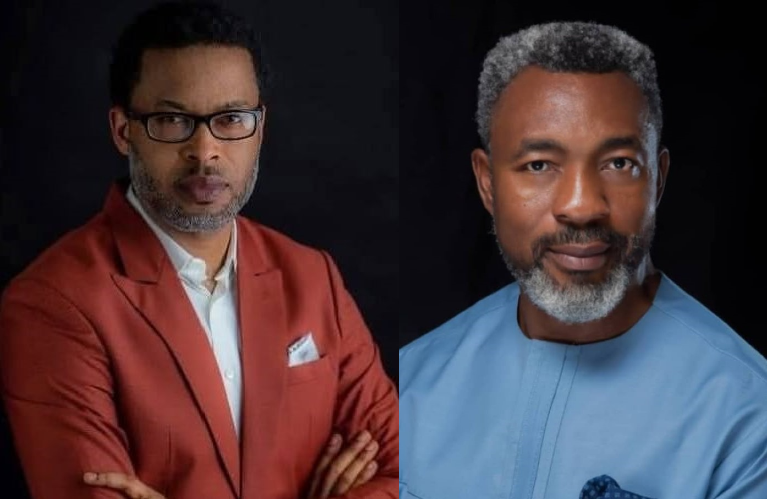
Two prominent personalities in Nigeria’s Public Relations and Media spaces, have provided insight how best to restore Nigeria’s reputation and image.
National President of the Nigerian Institute of Public Relations (NIPR), Dr. Ike Neliaku, and media personality Sulaiman Aledeh provided the insight while featuring at the monthly meeting and Public Relations Clinic of the NIPR Lagos Chapter,
The two professionals identified media accuracy, responsible storytelling and strategic communication as critical factors in efforts to improve Nigeria’s image and reputation.
The Clinic which held at LTV 8, Lagos, ran under the theme, “Rebuilding Nigeria’s Reputational Currency with Media as a Tool”, with Neliaku emphasising reputation an essential asset for individuals, organisations and nations.
Presenting reputation as an attribute that either exists or does not, rather than one that should be categorised simply as good or bad, he said that its development and preservation require deliberate and consistent efforts.
Bringing it down the country, he said that Nigeria’s reputation should not be treated as the exclusive responsibility of government, explaining that citizens, public institutions, businesses and other organisations all contribute to how the country is perceived locally and internationally.
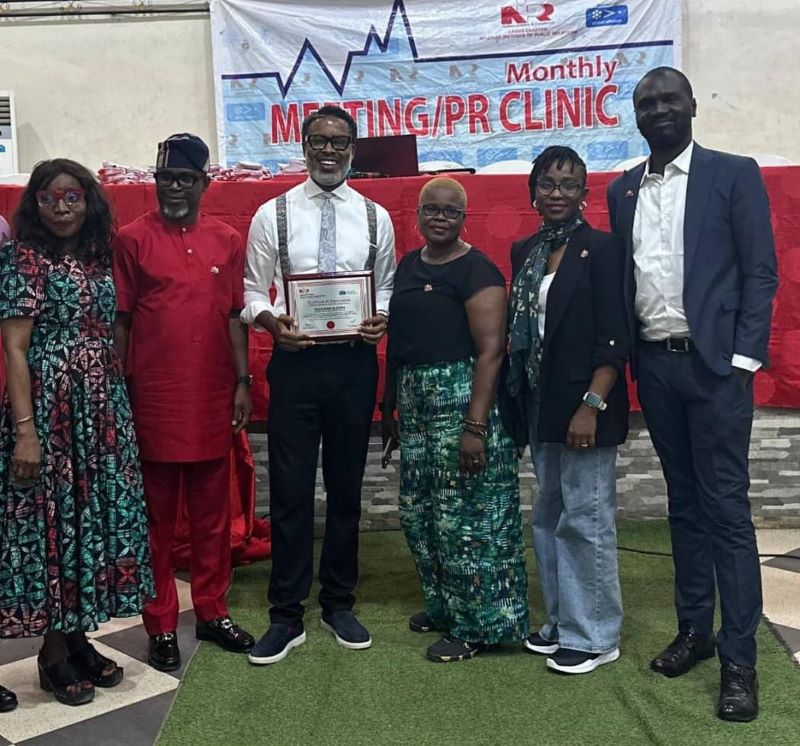
From left, Vice Chairman, Eniola Mayowa; Chairman, Dr. Samuel Ayetutu; Guest Speaker, Suleiman Aladeh; Welfare Officer, Funmilola Akintola and Secretary, Samuel Adeyemi at the NIPR Lagos State PR Clinic yesterday.
Neliaku identified creativity, innovation, entrepreneurship, resilience, hospitality and cultural diversity as aspects of Nigeria that deserve greater visibility, arguing that the country’s challenges should not be allowed to overshadow the contributions and achievements of its people.
He also highlighted the Nigeria Reputation Management Group (NRMG), established by the institute, as part of efforts to coordinate reputation management through media monitoring, strategic messaging, public engagement, mentorship and the identification of reputational threats.
The NIPR president urged communication professionals to tell authentic Nigerian stories and take a more active role in shaping public perception, rather than allow prevailing stereotypes to define the country’s identity.
Illustrating with the upcoming World Public Relations Forum (WPRF), Neliaku informed that it was expected to attract approximately 3,000 delegates from more than 156 countries, including policymakers, business leaders and communication professionals.
He said the forum would provide an opportunity for Nigeria to engage the international public relations community, showcase its potential and strengthen collaboration between communication practitioners and decision-makers.
READ ALSO: Okosodo, Sanwo-olu, Nsikan, Others Join The Eagle Hall of Fame
READ ALSO: Nnani Adaobi Marian & Her Friend Were To Qualify Next Day As Medical Graduates Before..
Aledeh, addressing the subject from a journalistic perspective, stressed that efforts to reposition Nigeria’s image must be grounded in accurate reporting and a commitment to the truth.
He cautioned against sensational headlines and digital publishing practices that prioritise clicks and audience engagement over factual accuracy, noting that misleading reports could distort public understanding and influence perceptions of the country.
He challenged journalists to ensure that headlines reflect the evidence contained in their reports and to examine claims critically, including those published by influential international media organisations.
Aledeh also drew attention to the need for Nigerian communication professionals to engage with international reports about the country through evidence-based responses and credible information.
He warned, however, that reputation management should not become a means of concealing national challenges or shielding public officials and institutions from scrutiny.
According to him, constructive journalism requires media professionals to report problems truthfully while examining credible efforts to address them, without compromising accuracy or accountability.
He further urged public relations practitioners to provide honest advice to their clients and institutional leaders, including when the facts are uncomfortable, rather than focus solely on producing favourable publicity.
Aledeh expressed concern about the growing influence of digital platforms where competition for online attention can encourage sensationalism and misleading representations, calling for greater professional responsibility in the production and dissemination of information.
