
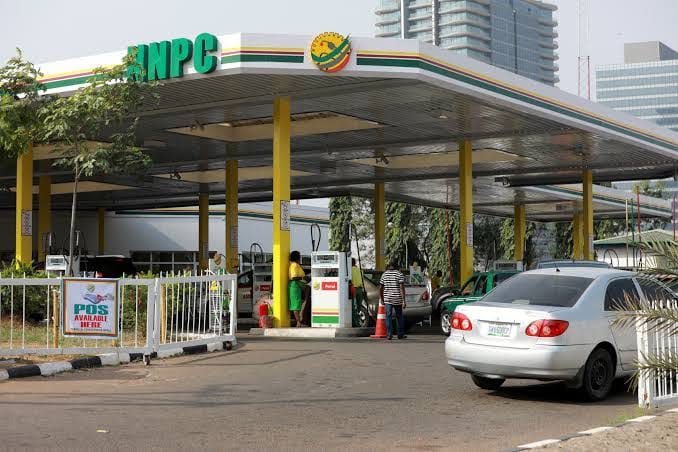
It is one piece of information that would come as good news to Nigerians, coming from the Nigerian National Petroleum Company (NNPC).
The good news is that it has agreed to forgo its petrol retail profit margin and sell to Nigerians at cost to cushion the impact of global crude oil price shocks and volatility on vulnerable households.
The good news was broken in a statement issued yesterday by the Special Adviser to the President, Bayo Onanuga.
It said that NNPC Retail, which already sells petrol at the lowest price in the market, will offer this new deal within the next 30 days.
This means if NNPC’s landing cost is N1300, it will sell fuel to Nigerians, especially commercial vehicles, at the same price.
The company’s discount gesture, backed by President Bola Ahmed Tinubu, was among the raft of measures the Finance Minister and Coordinating Minister of the Economy, Taiwo Oyedele, announced.
Oyedele said he hoped other marketers would take a cue from the NNPC, as the sharp rise in crude and petrol prices is not expected to last long.
Oyedele was emphatic that NNPC agreeing to sell at a discount must not be misinterpreted as the restoration of petrol subsidy, which ended on May 29, 2023.
In addition, Oyedele announced forward sales of crude to domestic refineries.
This mean that as production rises and previously committed crude is freed up, this is expected to shield pump prices from global market volatility.
Oyedele also said the Federal Government was negotiating a ceiling of N1,350 a litre on the ex-gantry or landing cost of petrol, to keep pump prices stable.
Where costs rise above the ceiling, refiners and importers would carry the shortfall and recover it later, when crude prices or the exchange rate allow, without breaching the ceiling, he said.
READ ALSO: Fuel Price Hike: Nigerians Angry, Bemoan Biting Effects
READ ALSO: High Cost Of Living: 5 Strategies To Help Families Survive Hunger
“This is neither a subsidy nor a price control: it is designed to smooth prices over time rather than suppressing them.
“The reasoning is simple. 1,400 naira a litre today and 1,400 tomorrow is better than 1,500 today and 1,300 tomorrow, because volatility itself adds to uncertainty and cost.
“ And when fares rise sharply, they rarely fall as fast. The ceiling will be reviewed monthly, reset as costs require, and the figures published for transparency,” Oyedele said.
Oyedele also said that, under the 2025 tax reform laws, the Federal government, in collaboration with the states and security agencies, is reining in the collection of road taxes and levies that inflate fares and logistics costs.
The Federal government is also increasing funding for cash transfers to the most vulnerable households and subsidised credit for small businesses and consumers.
