
Business
OPEC+ Agrees On Oil Output Hike Amid Iran War Paralysis

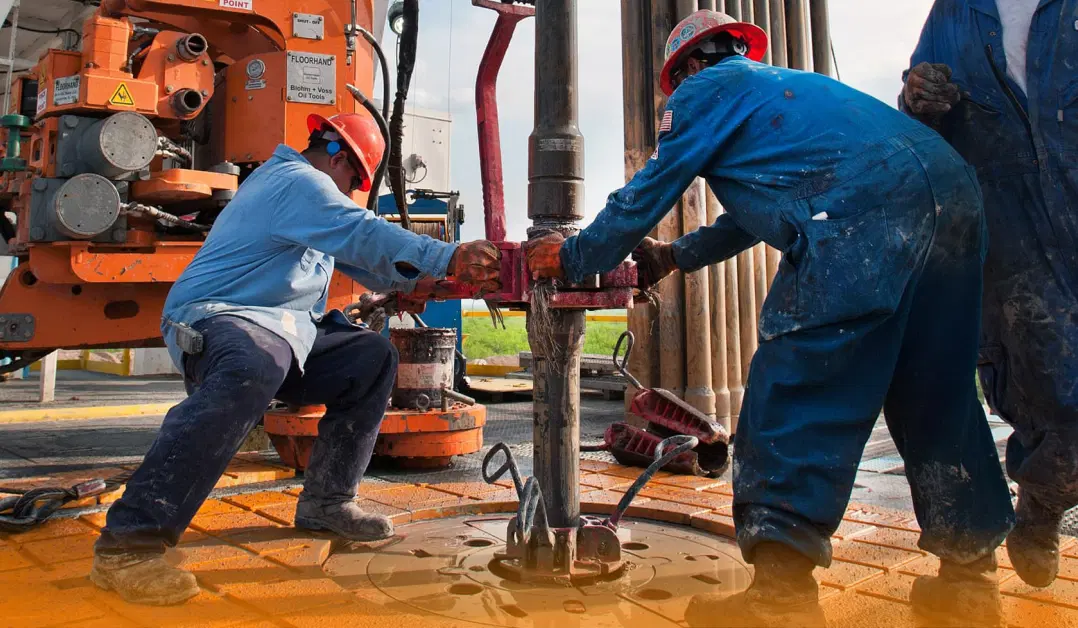
OPEC+ has agreed in principle to raise its oil output quotas by 206,000 barrels per day for May, three sources with knowledge of the group’s talks said ahead of its meeting later on Sunday.
This marks a rise that will largely exist on paper as its key members are unable to raise production due to the U.S.-Israeli war with Iran.
The war has effectively shut the Strait of Hormuz – the world’s most important oil route – since the end of February and cut exports from OPEC+ members Saudi Arabia, the UAE, Kuwait and Iraq, the only countries in the group which were able to significantly raise production even before the conflict began
Other group members such as Russia are unable to increase output due to Western sanctions and damage to infrastructure inflicted during the war with Ukraine.
Inside the Gulf, damage to infrastructure from missile and drone attacks has also been severe. Several Gulf officials have said it would take months to resume normal operations and reach production targets even if the war stopped and Hormuz reopened immediately.
Iran on Saturday said Iraq was from any restrictions to transit the vital route, and shipping data on Sunday showed a tanker loaded with Iraqi crude passing through the strait.
Still, it remains to be seen if more vessels will take the risk involved, a source close to the issue said.
Sunday’s OPEC+ talks are set to start at around 1300 GMT with a gathering of ministers called the Joint Ministerial Monitoring Committee, which does not decide on output policy.
READ ALSO: Now That Nigeria’s Oil Exploration Has Dropped 6.7%..
READ ALSO: Crude Oil Stealing: Army Bursts 11 Oil Bunkering Facilities In Niger Delta
After this, eight members of OPEC+ hold separate talks having agreed in principle to raise output quotas by 206,000 bpd for May, the three sources said. This would be the same as the increase decided for April at their last meeting held on March 1, just as the war began to disrupt oil flows.
A month later, the largest oil supply disruption on record is estimated to have removed as many as 12 to 15 million bpd or up to 15% of global supply.
Crude prices have soared to a four-year high close to $120 a barrel. Oil prices could spike above $150 – an all-time high – if flows via Hormuz remain disrupted into mid-May, JPMorgan said on Thursday.
A quota increase will have little immediate impact on supply but would signal readiness to raise output once Hormuz reopens, OPEC+ sources have said. Consultancy Energy Aspects called the increase “academic” as long as disruptions in the strait persist.








NDLEA Intercepts Cocaine, Arrests Kingpin In Lagos

OPEC+ Agrees On Oil Output Hike Amid Iran War Paralysis

Secure Your Child’s Future Today With Our School Fees’ Plan

Obidient Movement Mobilises For #Occupyinec Protest, Mother Of All Rallies

I Won $333m In Lottery & Decided To Test My Family Members

Messi Crowns Inter Miami Stadium Opening With Early Goal

Celestial Church Disowns Pastor Arrested With Drugs

NDLEA Arrests Pastor, Wife With drug Concealed in Vehicle

Rules for Nigerian Air Force Recruits Undergoing Training

Nigerian Air Force Direct Service Commission: Items To Bring Along -NAF

Full List: Nigerian Air Force Releases Names OF Successful Candidates For Direct Short Service

Man Pours Flammable Substance On 60-Year Old Father, and Lights Fire

How 44 Ghanaians Were Saved From Nigerian Fraudulent Recruitment Network

Robotics And Coding: What Digitech Academy Did With 500 Innovators
