
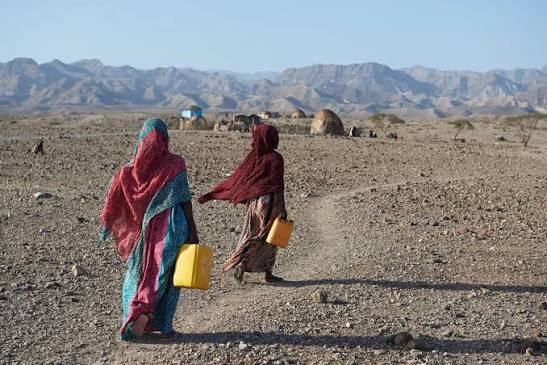
For millions of women, climate change and a worsening drought means more than a shortage of water. It can mean spending longer hours searching for water, losing a source of income and facing greater risks to their safety.
These are some of the consequences of climate change highlighted in a new UN Women report, which warns that up to 141 million additional women could fall into extreme poverty by 2050 under worst-case projections.
The report, released on November 10 at the COP31 UN Climate Conference in Antalya, Türkiye, estimates that more than 1.5 billion women and girls already live in areas severely affected by climate change.One of the less visible consequences is the additional burden placed on women when water becomes scarce.
In two-thirds of homes without electricity, women are primarily responsible for collecting household water. As droughts become more severe, the time spent on the task could increase by 30 per cent by 2050.The economic consequences are equally concerning.
According to the report, a 1°C rise in global average temperatures is associated with women losing 34 per cent more income than men, partly because they have fewer opportunities to move into non-agricultural employment.For adolescent girls, the effects can extend beyond poverty and household responsibilities.
Data from 14 countries examined in the report linked prolonged drought conditions to a 21 per cent increase in sexual violence against adolescent girls. Communities experiencing drought also recorded consistently higher rates of child marriage.
Access to electricity remains another challenge, with more than 326 million women and girls still without basic electricity.However, the report also points to opportunities that could improve women’s economic position.
Targeted investments in the green economy could create up to 68 million jobs for women by 2035.UN Women Executive Director Sima Bahous urged world leaders at COP31 to make women’s rights and gender-responsive financing central to climate action.Without such measures, the effects of rising temperatures and extreme weather could deepen inequalities that already make it harder for women and girls to earn a living, access basic resources and live safely.
