
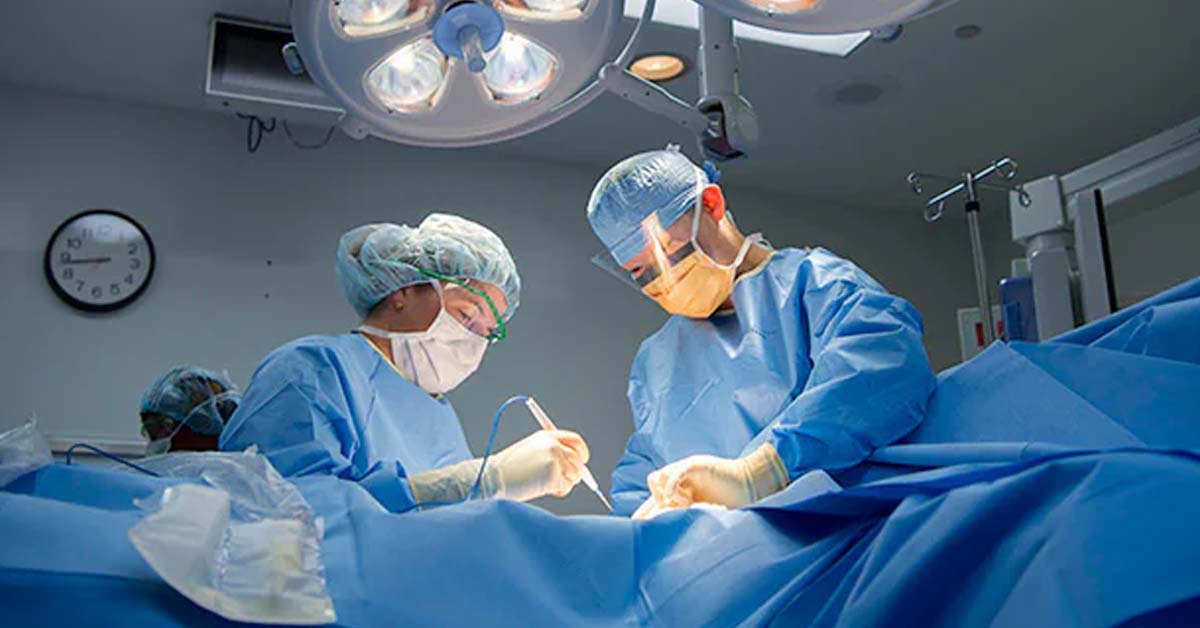
Breast cancer surgery is the primary treatment for most types of breast cancer. Mastectomy and lumpectomy are two different methods for removing tumors.
You may have additional surgeries to look for cancer in your lymph nodes or to reconstruct your breast after removal.
If you have breast cancer, your healthcare team will almost always recommend surgery to remove it — either before or after other types of treatment. Surgery is the most effective means of breast cancer removal when it’s technically feasible to remove it. (It’s not necessarily an effective treatment for metastatic breast cancer — when the cancer has already spread to other parts of your body.)
Sometimes, surgery removes an individual tumor from your breast. Other times, it might be necessary to remove your entire breast to remove the cancer. Breast surgery for cancer is primarily a treatment, but it can also be diagnostic or even cosmetic.
READ ALSO: Breast Cancer Symptoms: Warning Signals You Shouldn’t Ignore
READ ALSO: Breast Cancer –WHO Releases Worrisome Statistics, Launches Initiative
You might have exploratory surgery to look for signs of cancer spreading. You might also have surgery to reconstruct your breast after cancer treatment.
What Are The Different Types Of Breast Cancer Surgery?
Surgical procedures for breast cancer removal include:
Lumpectomy (partial mastectomy): This procedure removes an individual tumor (“lump”) from your breast, with a margin of healthy tissue around it. A lumpectomy is an option when treating breast cancer in the early stages.
Mastectomy: A mastectomy removes all of one or both breasts. Some types of mastectomies also remove other affected tissues in the area, like chest muscles or other structures of the chest wall.
Additional surgeries for breast cancer may include:
Sentinel node biopsy: This procedure removes one to a few lymph nodes next to your affected breast for testing to determine if breast cancer has spread there.
Lymphadenectomy: This removes and dissects most of your underarm lymph nodes next to your affected breast to determine if cancer has spread to multiple lymph nodes.
Breast reconstruction: This surgery restores your breast shape after breast cancer removal. Your surgeon might use breast implants, your own tissue or both.
The type(s) of surgery that your healthcare team recommends will depend on many individual factors, including the type of breast cancer you have, how advanced it is, your general health and your personal preferences. For some people, surgery may be the only treatment they need. For others, it may be only a part of a larger treatment plan. Most people will have more than one surgical procedure.
How urgent is breast cancer surgery?
Cancer treatment is always urgent. The sooner you begin treatment, the better your chances of stopping the cancer from progressing. Statistically, breast cancer surgery has a better success rate when it occurs within eight weeks of diagnosis. This is true regardless of the stage of cancer you have. However, there are some cases where you might have another type of treatment before surgery.
What stage of breast cancer requires surgery?
Surgery is the primary treatment for breast cancer in all stages except the last (Stage V, also called metastatic breast cancer). When breast cancer has spread beyond the region of your breast to distant regions, like your liver, lungs or brain, you’ll need a more systemic type of treatment. This means treatment that targets cancer throughout your body, like chemotherapy or radiation therapy.
Is breast cancer surgery a major surgery?
Some types are and some aren’t. For example, sentinel node biopsy and lumpectomy are relatively minor procedures by themselves. But if you have them both at the same time, your surgery and recovery will be longer.
READ ALSO: Is Exclusive Breastfeeding Truly Safe? This Is Another View
READ ALSO: “They Were Manhandling Me, Pulling My Breasts And Touching My Whole Body’
Mastectomy and breast reconstruction are both longer procedures by themselves, and they can also happen at the same time. With longer procedures, the risk of complications is also higher.
Possible Risks Or Side Effects Of the Surgery?
General surgery risks and complications include:
Wound infection: Telltale symptoms of infection include fever or redness and heat at the site.
Blood clots: Call your healthcare provider if you develop a painfully swollen leg, chest pain or shortness of breath.
Seroma: This is a build-up of fluid at the surgical site. It usually goes away on its own, but you can have the fluid drawn with a needle if it bothers you or if it gets infected.
Hematoma: This is when blood collects in the tissues around the wound, causing pain and swelling. It goes away on its own, but it can take several months. You can have the swelling drained if you need to.
-culled from Cleveland

Cami Ezenwa is a Writer, Editor, Publicist, Biographer and Journalism Trainer
He has worked with the Daily Times, Daily Independent, Financial Standard and Business Television to mention some.
His ongoing Corporate Communications Master Class training series equips learners with credible hands-on skills for effective Media Relations, Public Communications & Corporate Affairs amongst others.
He can be contacted via 09165809519 or 08180335778.