
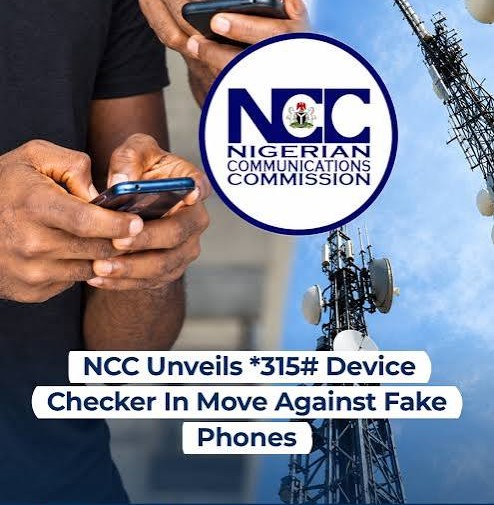
Do you know that the Nigerian Communications Commission (NCC) is implementing a Device Checker and Type Approval Compliance framework?
Do you know the implication is that unapproved devces may be blocked as a result?
The Commission says it has registered about 231 million telecom devices and that the Device Checker and Type Approval Compliance framework is to to prevent counterfeit, cloned and unapproved phones from accessing mobile networks.
These much were stated by the Director of Technical Standards and Network Integrity at the NCC, Edoyemi Ogoh, during a media briefing on the implementation of the Device Checker and Type Approval Compliance framework in Abuja yesterday.
Ogoh said the commission had automatically captured devices already operating on Nigerian networks before the verification system became fully operational, removing the need for existing subscribers to undertake additional registration.
“We had already registered about 231 million devices across the country.
“And those devices, basically, you don’t have to do anything. The subscriber does not have to do anything. He clarified that previously connected devices, including those that might not meet current approval standards, would not be disconnected retrospectively.
“We are not blacklisting those that have come up before this, he said, explaining that the decision was intended to protect consumers who purchased devices without having access to verification tools.
“However, newly introduced devices must meet the commission’s verification requirements before accessing telecommunications networks”, Ogoh said, noting that the initiative would strengthen consumer protection, improve network quality and enable regulators to track devices imported and sold in the country.
READ ALSO: Telecoms Infrastructure Damage: NCC, MTN, Airtel, 9mobile Release Scaring Statistics
READ ALSO: NCC Unveils Code For Stopping Unwanted Messages From MTN, Glo, Others
According to him, the commission is collaborating with the Nigeria Customs Service, manufacturers, importers and dealers to ensure that imported devices are authenticated before entering the market.
The framework also allows regulators to identify the importer, date of importation and quantity of individual devices, strengthening enforcement against suppliers of counterfeit products.
Ogoh said the initiative followed the introduction of Type Approval Business Rules in August 2024 and extensive consultations with industry stakeholders.
Under Section 132(2) of the Nigerian Communications Act 2003, telecommunications equipment must obtain regulatory approval before being sold or used in Nigeria.
The director explained that counterfeit devices could contribute to poor network quality because faulty equipment sometimes interferes with telecommunications infrastructure, affecting other subscribers using the same cell site.
He said the commission’s assessments identified device-related problems alongside infrastructure challenges, insecurity, flooding and other factors affecting network performance.
READ ALSO: WHO Network Expands Digital Health Certification For Hajj Pilgrims
On consumer verification, Ogoh advised Nigerians to dial *315# or visit the NCC’s Device Checker portal to confirm whether phones, tablets, modems and other SIM-enabled devices had been approved.
Consumers can also retrieve a phone’s International Mobile Equipment Identity number by dialling *#06#.
He said subscribers who purchased unverified devices should contact their sellers for replacements, while unresolved complaints could be reported through the commission’s toll-free 315 helpline.
Ogoh also urged Nigerians to verify devices before purchasing them at any retail shop, saying: “When buying a phone, tablet, modem or any device that uses a SIM, consumers should ask the seller whether it is NCC-approved and independently verify its approval status.”
Addressing concerns about possible surveillance, Ogoh insisted that the verification system would not give the regulator access to subscribers’ personal information.
It is not a surveillance tool and does not provide access to personal information stored on devices, he said, explaining that the system relied on device identification information rather than messages, photographs, contacts or financial records.
He said the framework was strictly for device identification and regulatory compliance, adding that the commission does not have access to users’ financial information or personal data.
Ogoh said the enhanced framework would facilitate electronic verification of the type approval status of SIM-enabled devices, improve regulatory oversight, and help identify non-compliant, cloned, and counterfeit devices.
He added that the NCC had previously engaged in a series of discussions with key stakeholders on the matter, and that the commission would do everything to ensure compliance with the regulations.
The engagements involve original equipment manufacturers, importers, dealers, service providers, government agencies and industry associations, whose contributions informed the framework’s design and implementation, he said.
Ogoh further said the initiative would promote fair competition among legitimate businesses, improve network performance, and strengthen confidence in communication devices available in the Nigerian market.
He said the framework was designed to ensure that communication devices sold and used in Nigeria comply with established technical and regulatory standards, and that such regulatory mechanisms are implemented regularly worldwide.
He said the initiative was part of the commission’s statutory responsibility under the Nigerian Communications Act, 2003, to safeguard the integrity of telecommunications networks and promote consumer confidence.
The telecommunications sector is critical to Nigeria’s economic and social development, with millions of Nigerians relying on communication devices for businesses, education, healthcare, financial transactions and personal communication, he said.

Cami Ezenwa is a Writer, Editor, Publicist, Biographer and Journalism Trainer
He has worked with the Daily Times, Daily Independent, Financial Standard and Business Television to mention some.
His ongoing Corporate Communications Master Class training series equips learners with credible hands-on skills for effective Media Relations, Public Communications & Corporate Affairs amongst others.
He can be contacted via 09165809519 or 08180335778.