
Opinion
When Hope Dies at Home, the Sea Becomes an Option

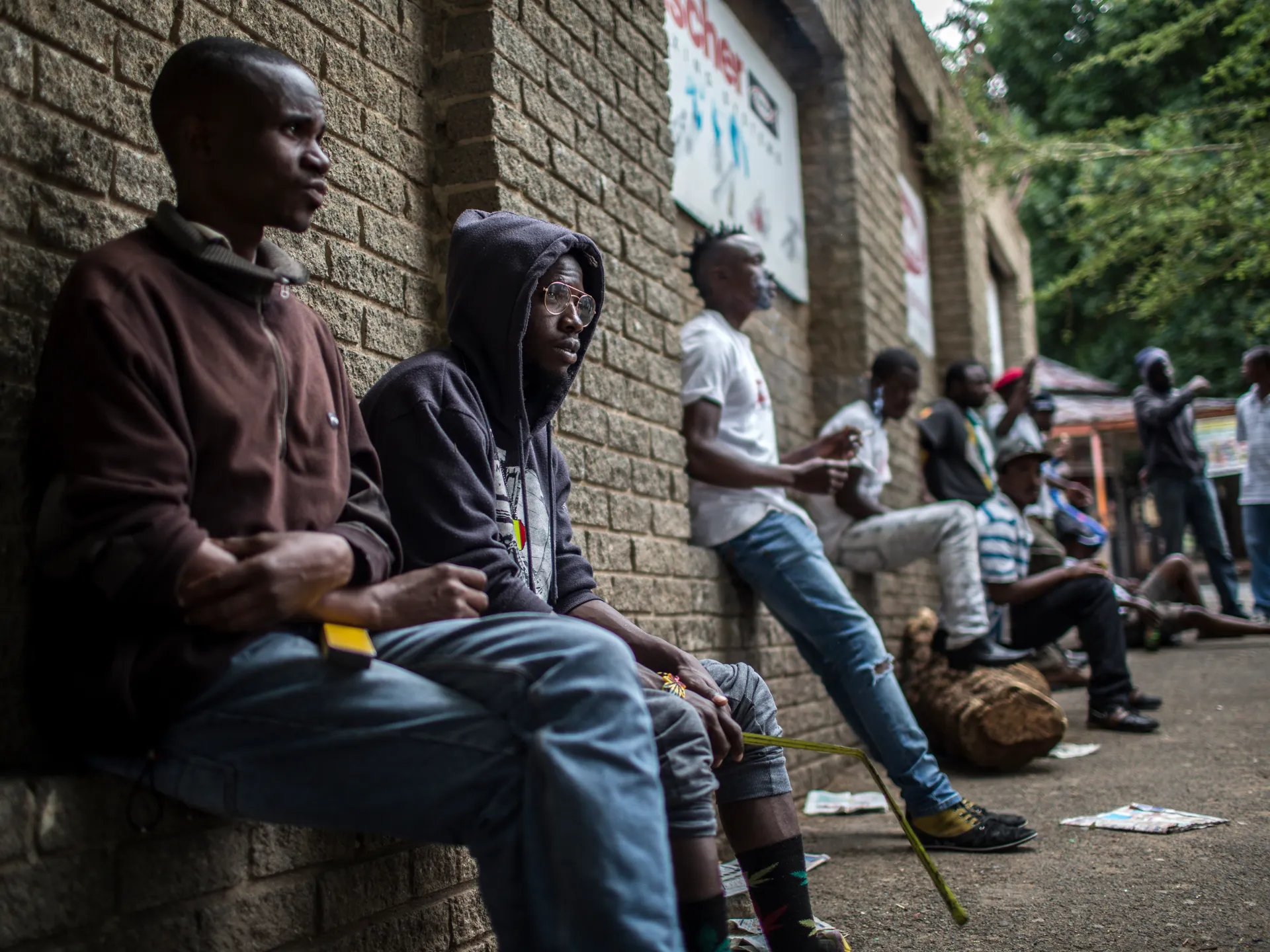
By Festus Edovia
Every week, Nigerian youths mount rickety boats on the Mediterranean Sea or disappear into the vast silence of the Sahara.
Many never return. Those who do often come back broken – physically, mentally, and economically. Yet the tragedy continues, not because our youths love death, but because hope has been systematically murdered at home.
No young person leaves their country lightly. No one chooses the desert, where bodies are swallowed without names, or the sea, which has become a watery grave for Africa’s finest dreams, unless staying feels like a slower form of death.
The dangerous journeys to Europe are not acts of adventure; they are votes of no confidence in the Nigerian state.
At the heart of this crisis is leadership failure – persistent, shameless, and unaccountable.
Nigeria is a country rich in resources but poor in priorities. While those in power stash public funds abroad, their children study and live comfortably in the same countries Nigerian youths are dying to reach.
The irony is cruel. The contradiction is criminal. Leaders who have turned governance into a family business lecture the masses on patience and patriotism.
Unemployment stalks the land like a curse. Graduates roam the streets with certificates that have become mere decorations. Skills are wasted, dreams postponed, and frustration normalised.
In such an environment, the promise of “greener pastures,” however dangerous, begins to sound like salvation.
But let us be clear: this is not a youth problem; it is a governance problem.
Our education system is detached from economic reality. Our economy is hostile to small businesses. Access to credit is reserved for the connected few. Merit is sacrificed on the altar of nepotism. Corruption has become so entrenched that honesty now looks like rebellion.
Worse still, we have normalised failure. We mourn briefly when boats capsize, issue hollow condolences, and move on – until the next tragedy. No serious policy response. No accountability. No national soul-searching.
If Nigeria truly wants to stop this deadly migration, slogans will not suffice. Border patrols will not help. Fear campaigns will fail. People do not flee because they are uninformed; they flee because they are trapped.
READ ALSO: US Halts Immigration Applications For 19 Countries: Full List
READ ALSO: Smugglers Throw Immigrants Into The Sea Over Inability To Pay Ransom
The solution begins with restoring hope at home:
Jobs that pay living wages
Education that leads to employability
Transparent governance that serves the many, not the few
Legal and regulated migration pathways, not death routes
Beyond government action, society must also reflect. We must stop glorifying foreign survival while ignoring local struggle. Not everyone who makes it abroad succeeds; many suffer in silence, undocumented and exploited. We must tell the full story, not just the filtered social-media version.
Yet, while leadership bears the greatest blame, the youth must also recognize that fleeing individually cannot solve a collective problem. Nations are rebuilt not only by those who escape, but by those who stay, organize, demand accountability, and insist on better governance.
Nigeria is bleeding its future. Every young life lost in the desert or sea is an indictment of a system that has failed its most productive generation.
A country that gives its youth nothing to live for should not be surprised when they risk everything to leave.
Until leadership becomes service and public office returns to its true meaning, the Mediterranean will remain an escape route, and the Sahara will continue to claim Nigerian dreams—silently, relentlessly, and shamefully.












NDLEA Intercepts Cocaine, Arrests Kingpin In Lagos

OPEC+ Agrees On Oil Output Hike Amid Iran War Paralysis

Secure Your Child’s Future Today With Our School Fees’ Plan

Obidient Movement Mobilises For #Occupyinec Protest, Mother Of All Rallies

I Won $333m In Lottery & Decided To Test My Family Members

Messi Crowns Inter Miami Stadium Opening With Early Goal

Celestial Church Disowns Pastor Arrested With Drugs

NDLEA Arrests Pastor, Wife With drug Concealed in Vehicle

Rules for Nigerian Air Force Recruits Undergoing Training

Nigerian Air Force Direct Service Commission: Items To Bring Along -NAF

Full List: Nigerian Air Force Releases Names OF Successful Candidates For Direct Short Service

Man Pours Flammable Substance On 60-Year Old Father, and Lights Fire

How 44 Ghanaians Were Saved From Nigerian Fraudulent Recruitment Network

Robotics And Coding: What Digitech Academy Did With 500 Innovators
