
Lifestyle
Pregnancy-friendly Superfoods: Building Your Baby Bite By Bite

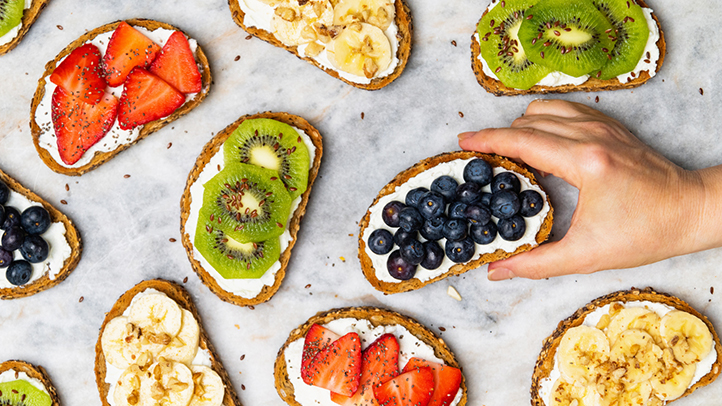
These pregnancy-friendly superfoods offer a big nutritional bang for each bite — for both you and your baby.
Even if you’re already packing an alphabet’s worth of vitamins and minerals into your daily meals, you might still worry that you’re not quite hitting the healthy pregnancy diet mark — especially if your appetite hasn’t quite gotten up to speed yet.
Enter these nutritional superstars. When it comes to the best foods to eat when pregnant, try to reach for picks that pack plenty of nutrients into just a few bites and not much in the way of empty calories.
This will help you and your baby get the vitamins and minerals you both need. (Though the occasional cookie or ice cream cone is just fine, so don’t feel bad about treating yourself from time to time!)
Key Takeaways
Focus on nutrients. Not every mouthful has to be perfect (and ice cream’s fine now and then). Instead, aim to get what’s important, like folate, iron, and calcium via healthy picks like wild salmon, whole grains, lentils, eggs, yogurt, and greens.
Lean on protein, fiber, and healthy fats. This trio is behind your baby’s brain and eye development and growing bones. Plus, fiber soothes your constipation and keeps blood sugar on an even keel.
Drink up! And be safe in the kitchen. Hydration is key for getting those nutrients to your baby (and it helps with digestion). And don’t forget to avoid raw seafood, undercooked eggs, deli meats, and anything unpasteurized.
 Here Is A List Of The Pregnancy-Friendly Superfoods
Folate. Getting at least 600 micrograms per day during pregnancy reduces the risk for neural tube defects.
Iron. You need nearly twice as much iron during pregnancy, or 27 milligrams daily. The mineral is used to make more blood that carries oxygen to your baby.
Calcium. Aim for 1,000 milligrams daily. Calcium is key to helping your baby build strong bones, teeth, muscles, and nerves.
Vitamin D. It helps calcium do its job and keeps your immune system strong. You should get 600 IU (international units) daily.
DHA. An omega-3 fatty acid, DHA plays a role in your baby’s brain and eye development. You need 200 to 300 milligrams per day.
Iodine. The mineral promotes your baby’s brain and nervous system development. You should get 290 micrograms daily.
Choline. Aim to get 450 milligrams of this vital nutrient each day to help prevent neural tube problems and support your baby’s cognitive development.
Keeping track of your nutritional needs during pregnancy can feel like a big job, but picking the right foods can help you cover more of your bases (along with taking a prenatal vitamin, of course). So make an effort to keep these pregnancy-friendly superfoods on hand — and make them mainstays of your daily menus.
READ ALSO: Does Using Paracetamol During Pregnancy Lead To Autism?
Lean meat
The amino acids in protein are the building blocks of every cell in both your body and your baby’s. High-protein foods also keep your hunger at bay by stabilizing your blood sugar, which is why you should aim for at least three servings (that’s about 75 grams) of protein per day.
That makes lean meat one of the best foods to eat during pregnancy. In addition to being protein-packed, it’s also high in iron, which is critical to helping your baby develop his red blood cell supply and support yours, too. (Blood volume increases when you’re pregnant, which is why anemia during pregnancy is so common.) Iron also plays a role in baby’s brain development.
How to eat it: Lean beef cuts like round, sirloin, chuck, and loin; ground beef with less than 15% fat; pork tenderloin or loin chop; poultry like chicken and turkey; and lamb leg, arm, or loin all fit the bill. A little goes a long way, so add your favorite cut to veggie-filled soups, salads, and rice or noodle dishes.
Finally, remember to cook your meat thoroughly. An internal temperature of 160 to 165 degrees Fahrenheit is high enough to kill illness-causing bacteria like E. coli and Salmonella.
Striving for healthy meals and snacks when you’re expecting can feel like a full-time job! The What to Expect app Opens a new window has tips and expert-backed advice plus recipes and ideas from other hungry mamas just like you.
READ ALSO: How To Improve Pregnancy Care For Sickle Cell Patients -WHO
Lentils
Whether you’re a meat eater or not, this vegetarian protein source deserves a place on your plate. A cup of cooked lentils packs around 17 grams of protein along with about 7 milligrams of iron.
Lentils are also rich in the B vitamin folate (called folic acid in supplements), which is vital to forming your baby’s brain and nervous system and has a powerful protective effect against neural-tube defects like spina bifida, a birth disorder in which a spine does not form properly. Lentils are also high in fiber, which can keep your digestive system humming along and help stave off pregnancy-related constipation.
How to eat them: To top it all off, lentils are easy to cook and can work in almost any dish. Try firm French or black lentils in salads, use softer brown lentils in place of chickpeas in your favorite hummus recipe, or make a thick, stew-like soup with creamy, quick-cooking red lentils.
-whattoexpect.com


Pregnancy-friendly Superfoods: Building Your Baby Bite By Bite

Heavy Rainfall, Flash Flooding Coming, Govt Warns

Council Releases List Of Universities Accredited To Run Law Degree In Nigeria

Navy Destroys Illegal Crude Oil Storage Site In Bonny

US Refueling Aircraft Crashes In Iraq Killing 4 Crew Members

Container Accident Renders Ikorodu Road Impassable

Lady Stirs The Internet With Proposal To Marry Billionaire, Otedola’s Son

‘What Nestle As Food Beverage Coy Owes Nigerian Families’

Glaucoma: Over 12m Nigerians On The Brink OF Irreversible Blindness

Makoko Residents To Be Relocated To Epe

UNIZIK Nursing Students Win Fee Hike Protest

Lagos Begins Pre-Marital Counselling Course For Pastors, Imams

35-Year-Old Rapper Set To Become Youngest Prime Minister

Dry Months: NCDC Warns Against Risk Of Cerebrospinal Meningitis
