
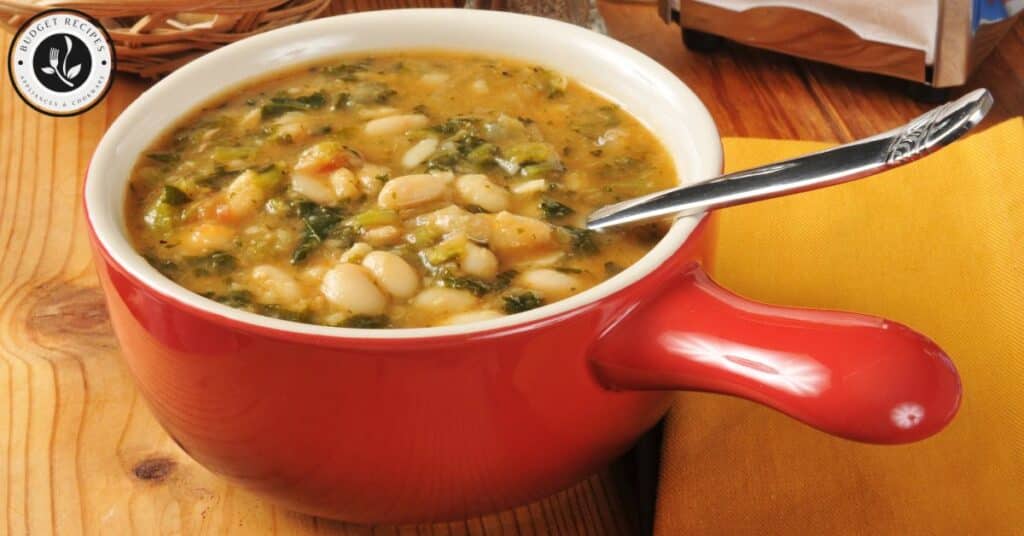
If you are a lover of beans, you need to be cautious not to consume undercooked beans, as this can pose danger to your system.
This is because of the presence of lectins in undercooked beans, which experts say constitute a health concern, following finding of the European Food Safety Authority (EFSA).
EFSA has been asked by its parent body, The European Commission to conduct assessment in the context of foodborne illnesses linked to the consumption of raw or undercooked pulses. These it is felt, may be associated with more consumers opting for raw or minimally-cooked plant-based diets.
Lectins are a group of proteins naturally present in many plants, such as legumes, grains and vegetables. They protect plants from pests and diseases.
According to EPSA, “We developed an acute exposure scenario where beans have not been cooked enough, and half of the lectins are still present in their active form.
“Our assessment concludes that this scenario represents a health concern for all age groups,” said Dr. Helle Knutsen, Chair of the Panel on Contaminants in the Food Chain.
“However, consumers can process foodstuffs to deactivate lectins. Properly soaking and boiling beans avoids potential health risks”.
EFSA says its scientists carried out their assessment by evaluating the potential harm caused by the lectin phytohemagglutinin (PHA) and assessing consumer exposure. PHA is found in beans and is the most toxic lectin in commonly consumed edible plants.
According to the association, symptoms linked to the consumption of raw or undercooked pulses include nausea, vomiting, abdominal pain and diarrhea.
READ ALSO: Food Poisoning: Community Refuses To Be Consoled, After Burying 5 Children
READ ALSO: NAFDAC Bans Importation Of Some Food Items: See List
Based on animal studies, scientists considered the effect of PHA on the small intestine as the most critical health effect.
It says the most effective way to reduce the majority of lectins in pulses is to soak them in water for 6-12 hours until they soften, then change the water and boil them for at least half an hour at 100° C. As preparation times depend on the variety of pulses, it is advisable to cook them until they become soft.
Other home cooking methods like steaming, microwaving and roasting are less effective.
Based on EFSA’s work, the European Commission and Member States will consider measures to inform and protect consumers from potential health risks linked to lectins in food.

Cami Ezenwa is a Writer, Editor, Publicist, Biographer and Journalism Trainer
He has worked with the Daily Times, Daily Independent, Financial Standard and Business Television to mention some.
His ongoing Corporate Communications Master Class training series equips learners with credible hands-on skills for effective Media Relations, Public Communications & Corporate Affairs amongst others.
He can be contacted via 09165809519 or 08180335778.