
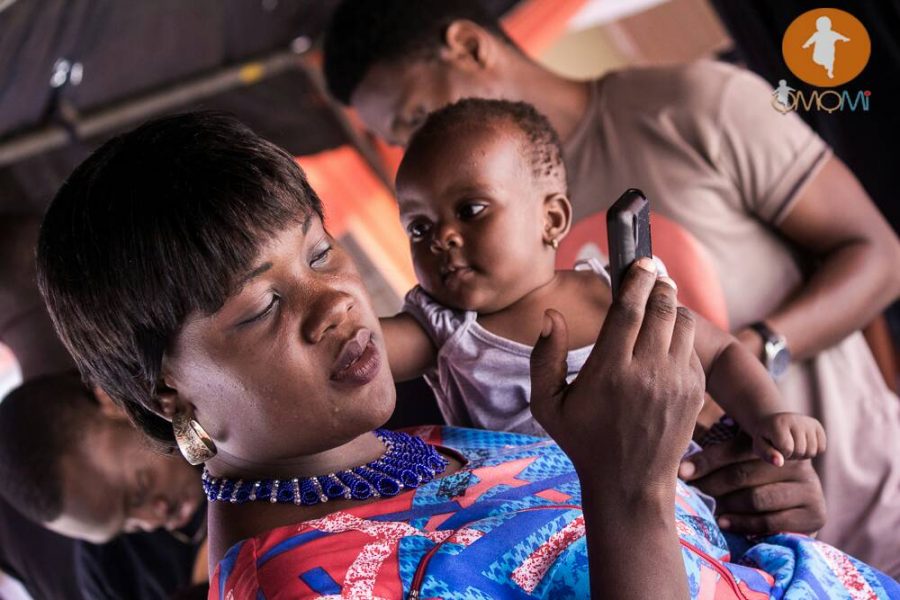
Nigeria recorded notable progress in maternal health services, family planning uptake and antenatal care utilisation in 2025.
This is the submission of the 2025 State of Health of the Nation Report released yesterday in Abuja.
The report, produced under the National Health Act 2014, highlighted improvements in maternal indicators but warned major gaps remained in postnatal care, cancer screening and access to skilled birth attendants nationwide.
Nigeria’s family planning services expanded steadily in 2025, with about 80,000 women newly accepting modern contraceptive methods each quarter, representing an overall 45 per cent increase in uptake nationwide during 2025.
The report said modern contraceptive prevalence among married women stood at 15 per cent while 49.6 per cent now had family planning needs satisfied by modern methods up from 42 per cent in 2018.
Antenatal care attendance improved markedly with first visits consistently exceeding 1.8 million while women completing the recommended four visits rose from 760,000 in early 2024 to more than one million by 2025.
However about 60 per cent of pregnant women still began antenatal care after 20 weeks of pregnancy underscoring persistent delays in accessing maternal health services across many communities nationwide the report notes.
Deliveries attended by skilled birth attendants increased sharply rising from 640,000 in 2024 to 900,000 in 2025 reflecting improved delivery practices though seven per cent of facility births still lacked skilled personnel.
READ ALSO: Be Warned, This Baby Formulae Expiry Date Has Been Tampered With
READ ALSO: High Maternal & Infant Mortality: Federal, Enugu Govts Move Into Action
According to a NAN report on the above, maternal deaths recorded in health facilities declined from 161 in the first quarter to 108 in the fourth quarter of 2025 marking roughly a 25 per cent drop compared with 2024 levels.
Postnatal care remained a major gap with only 43 per cent of women receiving checks within two days after delivery slightly higher than 42 per cent recorded in 2018 nationwide the report states.
The report also highlighted wider health risks facing women, including anaemia affecting 47 per cent, low cancer screening rates, gaps in hepatitis awareness and growing nutrition concerns, with about 30 per cent overweight or obese.

Cami Ezenwa is a Writer, Editor, Publicist, Biographer and Journalism Trainer
He has worked with the Daily Times, Daily Independent, Financial Standard and Business Television to mention some.
His ongoing Corporate Communications Master Class training series equips learners with credible hands-on skills for effective Media Relations, Public Communications & Corporate Affairs amongst others.
He can be contacted via 09165809519 or 08180335778.