
By Cami Ezenwa
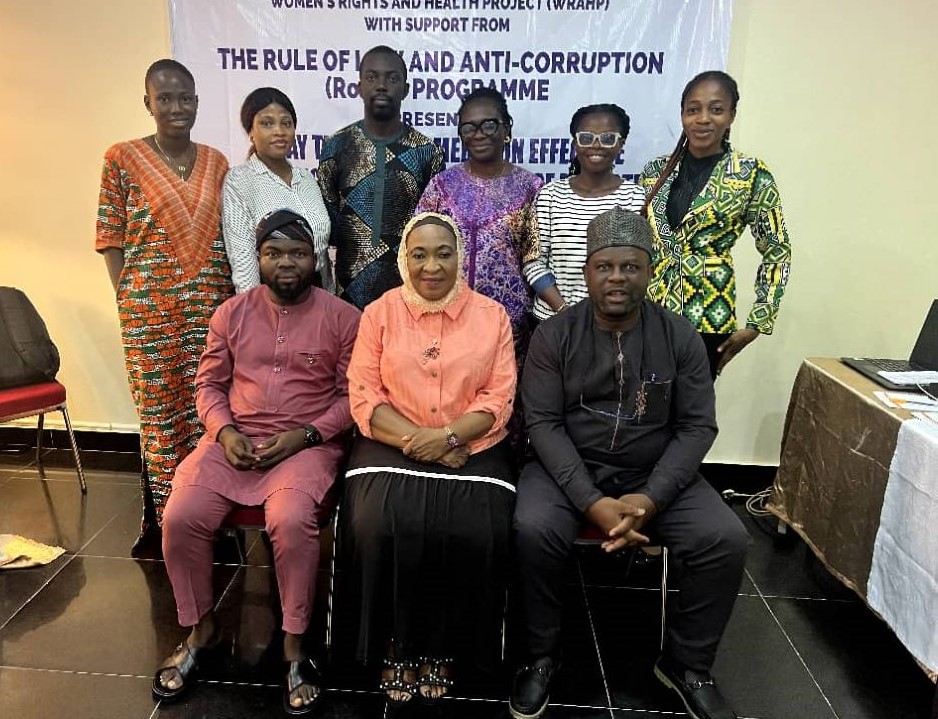
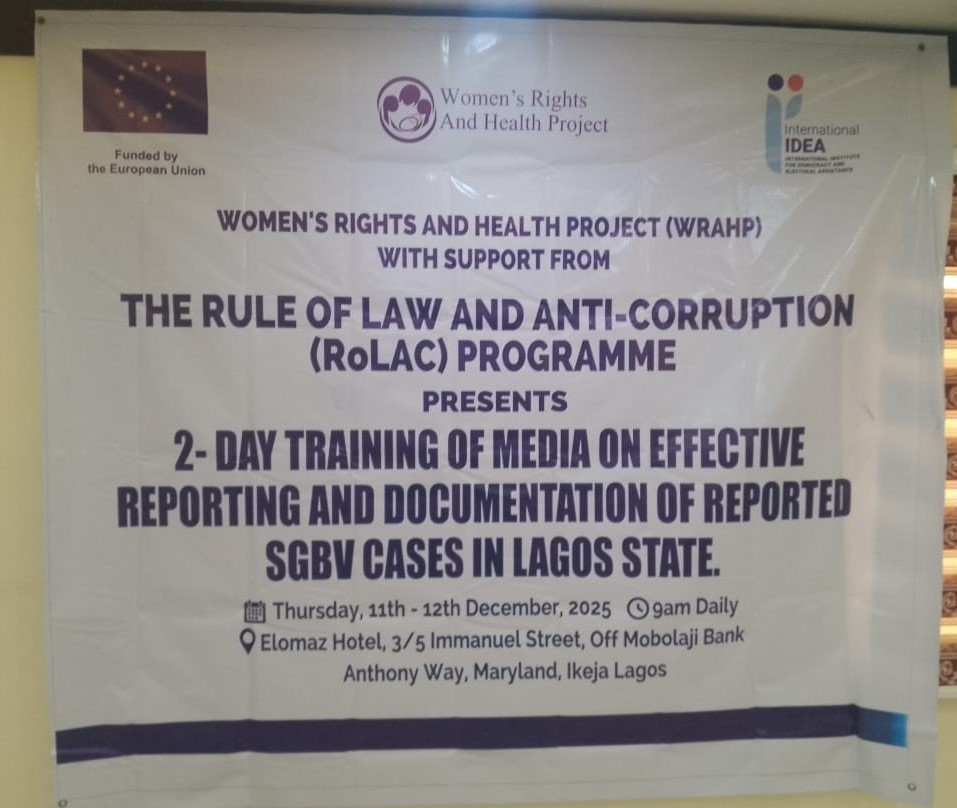
The Women’s Rights and Health Project (WRAHP), managers of the Ireti Resource Centre, has rounded off a two-day training of media professionals on Sexual & Gender Based Violence (SGBV) reporting.
The two-legged training, in Lagos and Edo States, is being implemented under WRAHP’s project titled “Scaling up Access to Justice–Related Social Services for Women and Girls Survivors of Sexual and Gender-Based Violence (SGBV)”
Aimed at improving the quality of SGBV reporting, the training explored for participants, thematic areas such as ethical reporting, follow-ups, and documentation of Sexual and Gender-Based Violence (SGBV) cases amongst others.
It turned out an engaging experience as facilitators, armed with practical examples and insights, led the media practitioners through the many areas of SGBV.
Thematic areas covered included
– Understanding Sexual and Gender-Based Violence and its impact
-Legal and policy frameworks addressing SGBV in Nigeria
-Ethical standards and responsibilities of the media in SGBV reporting
-Safeguarding principles and protection from Sexual Exploitation, Abuse and Harassment (PSEAH)
-Practical skills on case documentation, -follow-up reporting, fact-checking, and handling sensitive survivor information
-Strengthening collaboration between the media, justice sector actors, health providers, and civil society organisations.
READ ALSO: Best Ways To Support Survivors Of Gender-Based Violence -WHO
READ ALSO: Gender Selection In Unborn Babies: The Possibilities, Risks And..
Opening the technical sessions Executive Director of WRAHP, Mrs. Bose Ironsi, emphasised the critical role of the media in advancing access to justice for survivors:
“The media plays a powerful role in shaping public perception, influencing accountability, and amplifying survivors’ voices”, she stated.
“Ethical, accurate, and sensitive reporting is essential to ensuring that survivors are protected and supported rather than retraumatised”, she added.
In her presentation, Mrs Ifeyinwa Omowole, Ag Head, Lagos Office of the News Agency of Nigeria (NAN), charged media professionals to be alive to their professional responsibilities, helping to shed the needed light on the many abuses that confront the female gender.
She emphasised the important place of data collection in effective reportage of gender-based violence, advising that data quality should never be compromised.
Leading the media professionals to a listing of veritable sources of information on SGBV reporting, she advised them on the need for discretion in the use of respondents’ personal data so as not to jeopardise them.
Effective documentation, she argued, is vital for providing support and if the survivor chooses, pursuing justice, she added.
READ ALSO: Sterling One Foundation Partners Live Abundantly, British High Commission On Gender-Based Violence
“Protect the survivors identity at all costs. Do not record identifying information (name, specific location, date of incident) unless absolutely necessary for some service providers’, she admonished the media practitioners.
The Eagle reports that aside the sensitisations on how best to go about SGBV reporting, there was also a promise to support participants to develop practical action plans that would guide responsible media engagement on ending SGBV within their respective platforms and communities.
Through this initiative, WRAHP reaffirms its commitment to strengthening protection systems, promoting access to justice, and fostering responsible media practices that uphold dignity, accountability, and human rights for women and girls.

Cami Ezenwa is a Writer, Editor, Publicist, Biographer and Journalism Trainer
He has worked with the Daily Times, Daily Independent, Financial Standard and Business Television to mention some.
His ongoing Corporate Communications Master Class training series equips learners with credible hands-on skills for effective Media Relations, Public Communications & Corporate Affairs amongst others.
He can be contacted via 09165809519 or 08180335778.